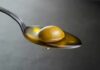

A daily dose of peppermint oil dropped systolic blood pressure by more than 8 points in just 20 days, according to a new randomized clinical trial out of the University of Lancashire.
Story Snapshot
- A 20-day placebo-controlled trial found peppermint oil lowered systolic blood pressure by about 8.5 mmHg compared to placebo.
- Forty adults with prehypertension or stage 1 hypertension took 100 microliters of peppermint oil twice daily during the study.
- Researchers published the results in PLOS One, and the trial is registered on ClinicalTrials.gov as NCT05561543.
- The finding is preliminary, based on a small sample, and has not yet been tested against standard blood pressure drugs.
What The Trial Actually Measured
Scientists at the University of Lancashire ran a parallel randomized controlled trial testing peppermint oil against a peppermint-flavored placebo. Forty adults with pre- or stage 1 hypertension took part. Half received real peppermint oil, half got the placebo, and neither group knew which one they had. The trial lasted 20 days, a short but tightly controlled window for measuring change.
Participants in the peppermint group took 100 microliters of the oil each day, split into two doses. Researchers tracked blood pressure at the start and end of the trial. The peppermint group started at an average systolic reading of 130.05 mmHg and ended at 121.97 mmHg. The placebo group barely moved, starting at 130.93 mmHg and finishing at 131.05 mmHg.
The Numbers Behind The Headline
After adjusting for other factors, researchers calculated the peppermint group’s systolic blood pressure came in 8.48 mmHg lower than the placebo group, with a 95 percent confidence interval ranging from 14.24 to 2.73 mmHg lower. That range does not cross zero, which is why the researchers call the result statistically significant.
The study authors wrote plainly that the trial supported their original hypothesis. They stated that peppermint supplementation led to a meaningful drop in systolic blood pressure compared to placebo. That is a direct, confident conclusion from the team that ran the experiment, not a hedge or a maybe.
Why This Result Stands Out From Past Peppermint Research
Earlier research on the broader mint family painted a murkier picture. A 2024 meta-analysis covering seven randomized trials on Mentha species found blood pressure did drop somewhat, but the reduction did not reach statistical significance across the pooled data. That makes the new Lancashire trial notable. It isolated peppermint oil specifically, used a controlled dose, and produced a result that did clear the bar for statistical significance.
News outlets picked up on the finding quickly. MedicalXpress and Medical News Today both reported the roughly 8.5 mmHg drop, framing it as a low-cost, low-risk option worth watching for people managing borderline high blood pressure. That kind of coverage matters because prehypertension affects a massive share of adults over 40, many of whom are looking for lifestyle-based options before turning to prescription medication.
What Still Needs To Happen Before This Becomes Common Advice
Forty participants is a small trial. It is enough to detect a signal worth taking seriously, but not enough to settle the question for millions of Americans managing their blood pressure. Sample size limits how confidently anyone can predict the effect in a broader population, across different ages, weights, and health histories.
Twenty days is also a short runway. Nobody yet knows if the blood pressure drop holds up after two months, six months, or a year. Nobody knows whether the effect fades once the body adjusts to the oil, or whether long-term use carries any risks. Those are exactly the kinds of questions a longer follow-up study, ideally with ambulatory blood pressure monitoring instead of single clinic readings, would need to answer.
Peppermint oil may have an unexpected benefit for people with mildly high blood pressure. Adults who took a small dose twice daily for 20 days saw their systolic blood pressure fall by an average of 8.5 mmHg, while a placebo group showed little change. Reshttps://t.co/GE6Rk2VF2i
— Michael W. Deem (@Michael_W_Deem) August 22, 2026
Replication at another research site would also carry real weight. One team, one location, one 40-person group is a strong starting point, not a finish line. Until an independent lab runs the same 100-microliter, twice-daily protocol and gets a similar result, the honest takeaway is that peppermint oil looks promising, backed by real data, and worth watching closely as more research comes in.
Sources:
sciencedaily.com, journals.plos.org, yggdrasilnaturopathic.com, ctv.veeva.com, pmc.ncbi.nlm.nih.gov