
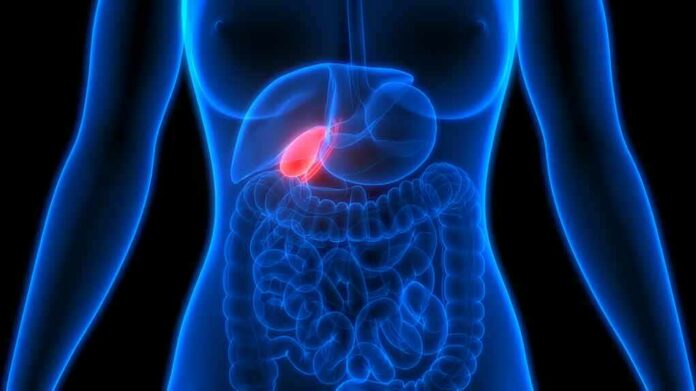
Depression may do more than weigh on the mind. New genetic research links it to a 47% higher risk of chronic pancreatitis, a painful and often lifelong disease of the digestive system.
Quick Take
- A genetic study found people with depression face a higher risk of developing chronic pancreatitis, with one analysis reporting up to a 61% increase in odds.
- Separate research pegged the added risk at 39%, and public summaries rounded that range into a headline figure near 47%.
- Chronic pancreatitis patients already show extremely high rates of depression, with some studies finding nearly half screen positive for it.
- Scientists say the relationship likely runs in both directions, meaning depression and pancreas disease may feed off each other.
What The New Genetic Research Actually Found
Researchers used a method called Mendelian randomization, which studies genetic markers tied to depression to test whether the condition plays a causal role in disease. One paper reported an odds ratio of 1.61 for chronic pancreatitis among people genetically predisposed to major depression, a statistically significant result with a p-value of 0.014. A related paper calculated a separate odds ratio of 1.39, still showing a meaningful, independent link.
Public summaries of this work rounded the findings into a single headline: a 47% higher risk of chronic pancreatitis tied to depression. That number sits between the two odds ratios reported in the underlying papers, both of which point the same direction. Researchers behind the sharper analysis wrote that their data “provides evidence for an independent causal effect of depression” on the pancreas disease.
Why Doctors Already Suspected A Connection
Long before this genetic data emerged, clinicians noticed depression showing up constantly in pancreatitis patients. A 2023 review pooling multiple studies found depression prevalence in chronic pancreatitis patients averaged 36.2%, and climbed as high as 48% depending on which screening tool was used. That is roughly triple the depression rate seen in the general adult population.
A Johns Hopkins-led study of chronic pancreatitis patients found nearly 39% showed signs of anxiety or depression, and researchers noted depression was tied to worse pain and lower quality of life even after accounting for other factors. Another patient cohort using a standard screening scale found more than 67% at high risk for anxiety or depression, underscoring just how tightly these conditions cluster together in real-world clinics.
The Relationship Likely Runs Both Ways
A large population-based study offers a mirror image of the genetic findings. Researchers tracking patients for five years after a chronic pancreatitis diagnosis found those patients were far more likely to develop depression afterward, with an odds ratio above 5. That means the disease itself, with its chronic pain, digestive struggles, and lifestyle disruption, appears to trigger depression in many patients even when it wasn’t present before diagnosis.
This back-and-forth pattern is not unusual in chronic illness research. Painful, inflammatory conditions frequently show up alongside mental health struggles, and untangling which came first is notoriously difficult. Depression may raise pancreatitis risk while pancreatitis simultaneously raises depression risk, creating a cycle rather than a one-way street.
Common threads like chronic pain, heavy alcohol use, smoking, and financial stress from long-term illness can drive up both depression and pancreatitis risk independently. The genetic studies attempt to strip out some of these outside factors by looking at inherited traits rather than lifestyle choices alone, which strengthens the case that depression itself plays some causal role rather than simply riding alongside other risk factors.
What This Means For Patients And Families
No study has turned this into a formal screening tool, and doctors are not yet telling depressed patients to expect pancreas problems. But the pattern is consistent enough across genetic and clinical research that it deserves attention, especially for people already managing depression alongside digestive symptoms, unexplained abdominal pain, or a family history of pancreatic disease. Bringing up mood symptoms with a doctor treating stomach or pancreas issues, and vice versa, may catch problems earlier on either front.
Mental health support for chronic pancreatitis patients also carries practical weight given how often the two conditions travel together. Treating depression may not cure a damaged pancreas, but ignoring it clearly worsens the overall burden patients carry, from pain severity to quality of life. The science increasingly treats mind and pancreas as connected systems rather than separate concerns.
Sources:
mindbodygreen.com, accscience.com, pubmed.ncbi.nlm.nih.gov, sciencedirect.com