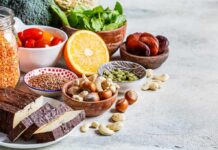

Leonid Kim, MD says you can “reset” your gut fast with meal timing, fiber, and fermented foods—and millions clicked to hear how.
Story Snapshot
- Physician Leonid Kim outlines a “Gut Detox” built on meal spacing, fiber, resistant starch, fermented foods, and circadian fasting.
- Core timing rule: eat within a 10–12 hour window and finish dinner at least three hours before bed.
- Evidence on time-restricted eating and gut microbiome shows mixed results across human trials.
- Plan avoids “cleanse” products and leans on whole foods and routine, aligning with basic nutrition.
What Kim’s “Gut Detox” Actually Asks You To Do
Kim’s on-camera plan is simple and strict. Space meals by four to five hours so your gut’s “street sweeper,” the migrating motor complex, can run between meals. Eat within a 10 to 12-hour daytime window. Stop dinner at least three hours before bed to protect sleep and digestion. Build plates around high-fiber plants and resistant starch, like cooked-and-cooled potatoes and oats. Add fermented foods such as yogurt, kefir, and sauerkraut. Keep processed sugars and refined snacks low.
Kim frames this as a fast way to calm bloating and help the gut lining recover. The approach does not push powders, teas, or aggressive laxatives. It uses routine, whole foods, and timing to nudge the gut’s rhythm. The appeal is clear: no calorie counting, no pricey kits, just rules that fit a normal kitchen. Viewers also hear advice to keep sleep and wake times steady, since your body clock sets the tone for digestion.
Where The Science Helps—and Where It Hesitates
Studies on time-restricted eating suggest it can shift gut microbes and metabolic markers, but results in humans vary by study design, diet, and population. A recent review notes that current evidence does not prove clear gains or no effect on gut microbiome diversity. Signals exist, yet certainty remains low in adults with overweight or obesity. Some trials report small changes; others find minimal or no differences at standard endpoints. That is normal for nutrition research with many moving parts.
Meal spacing and finishing dinner earlier add two quieter wins. First, longer gaps between meals reduce grazing, which can cut total energy intake without counting. Second, an earlier dinner often improves reflux symptoms and sleep quality for many people. These outcomes matter to everyday comfort even when microbiome measures do not swing much. Fermented foods and diverse fiber raise short-chain fatty acids that feed the gut lining in basic physiology, so they remain smart, low-risk bets.
How To Try It Safely This Week
Pick a 10–12 hour daytime eating window. Eat breakfast later or dinner earlier. Leave at least three hours between dinner and bedtime. Hold four to five hours between meals with water, black coffee, or tea in between. Fill half your plate with vegetables and beans. Add cooked-and-cooled starch once a day. Include one fermented food daily. Cut sugary drinks completely. Keep weekends on the same schedule. Track bloating, energy, and sleep for two weeks, then adjust as needed.