
A one-week swap in the kitchen cut hormone-disrupting chemicals in people’s bodies by up to 60 percent, according to a new clinical trial.
Quick Take
- A randomized controlled trial published in Nature Medicine found a seven-day low-plastic diet and kitchenware swap sharply lowered urinary levels of BPA and phthalates.
- Participants using low-plastic food and kitchenware saw BPA drop 59.7%, MnBP drop 37.5%, and MBzP drop 53.5% compared with a no-change control group.
- The study, known as the PERTH Trial, tracked 60 healthy adults split into five groups over one week.
- Researchers say the results show how fast the body can clear these chemicals once exposure stops.
What The New Trial Actually Found
Scientists running the PERTH Trial split 60 healthy adults into five groups for seven days. One group ate food grown, packaged, and stored with almost no plastic contact, and used plastic-free kitchenware. Researchers then tested urine samples before and after the week to measure changes in chemical byproducts tied to bisphenols and phthalates, two chemical families long linked to hormone disruption.
The numbers were striking. Compared with the control group that made no changes, the low-plastic food and kitchenware group saw urinary BPA fall by 59.7 percent, MnBP fall by 37.5 percent, and MBzP fall by 53.5 percent, all within one week. Separate outlets reporting on the same dataset described drops as high as 60 percent for individual chemicals, underscoring how consistent the pattern was across measurements.
Why Bisphenols And Phthalates Matter To Families
Bisphenol A, known as BPA, and phthalates are chemicals used to make plastics flexible or hard, and they show up in food packaging, canned goods, plastic containers, and personal care products. Both chemical families are classified as endocrine disruptors, meaning they can interfere with how hormones regulate reproduction, metabolism, and development. Health researchers have tied long-term exposure to concerns ranging from fertility issues to metabolic disorders in prior studies.
What makes this trial notable is the speed of the change. Bodies do not store these chemicals the way they store heavy metals or long-lasting pollutants. Once exposure drops, the body appears to clear these compounds quickly, and that shows up in urine testing within days rather than months. That is a meaningful, practical takeaway for families making decisions about food storage and kitchen habits right now.
How This Fits A Larger Pattern Of Research
This is not the first study to show that cutting plastic contact lowers chemical exposure. A scoping review examining 58 separate human interventions found that 81 percent of them reduced bisphenol or phthalate exposure, with diet-focused changes often producing the biggest shifts when people swapped packaged foods for fresh alternatives. That review also noted results varied depending on the type of intervention and how it was measured, which matters for anyone tempted to treat one week of data as a universal formula.
Earlier interventions using fresh-food diets over just three days also produced measurable drops in urinary BPA and phthalate metabolites, suggesting this new trial builds on a foundation rather than standing alone. The consistency across separate research teams, using different populations and different timeframes, adds real weight to the conclusion that reducing plastic contact with food changes what shows up in the body.
What Parents And Households Can Take From This
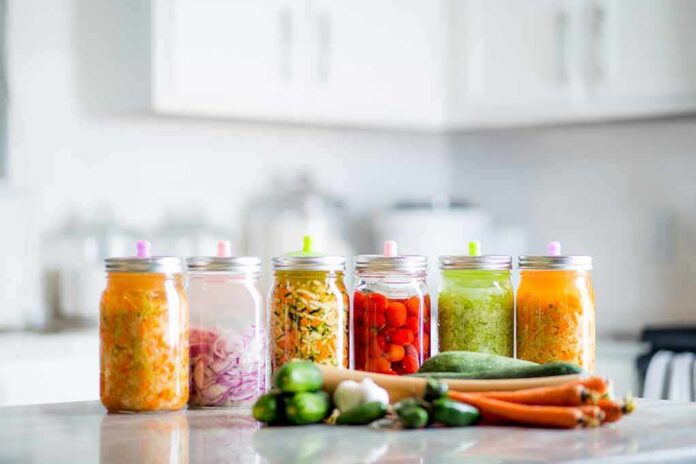
The practical lesson is straightforward: swapping plastic food storage for glass or stainless steel, avoiding plastic containers in the microwave, and choosing fresh food over heavily packaged products can meaningfully cut chemical exposure within days. This is not a call for panic. It is evidence that simple, low-cost household habits produce measurable results fast, without requiring a total lifestyle overhaul or expensive products.
For conservative-minded readers skeptical of alarmist health trends, this study stands out because it relies on hard biomarker data from a controlled trial, not speculation or fear-based marketing. Families do not need government mandates or corporate promises to act. They can make their own informed choices in their own kitchens, armed with results from a rigorous, randomized study rather than a viral claim.
Researchers behind the trial say the fast turnaround in urinary chemical levels shows the body responds quickly to reduced exposure, which gives households a clear, actionable reason to rethink plastic use in food prep. The data offers a rare case where scientific rigor and common-sense household advice line up cleanly.
Sources:
pubmed.ncbi.nlm.nih.gov, news-medical.net, envirometrics.ai, healthcarediscovery.ai