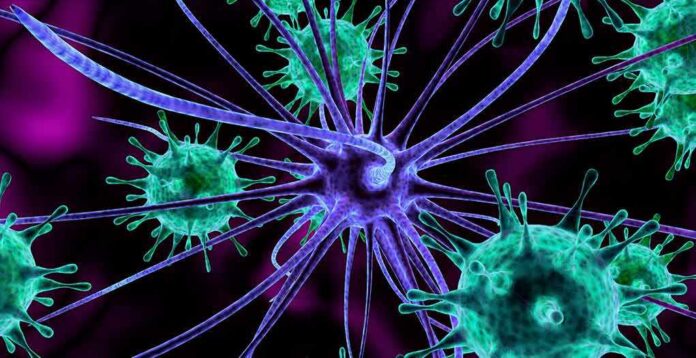
Scientists have turned a common gut probiotic into a living drug factory that seeks out pancreatic tumors and floods them with cancer-fighting immune signals.
Quick Take
- Researchers at University of Chicago Medicine engineered a probiotic strain called BifidoSumIL-2 to deliver immune therapy directly inside pancreatic tumors.
- In mouse studies, the bacteria suppressed tumor growth by activating cancer-fighting T cells while sparing the rest of the body.
- Separate teams have engineered other probiotics, including E. coli Nissle 1917 and Clostridium butyricum spores, with similar tumor-targeting goals.
- All results so far come from animal studies; no human trial data exist yet for these engineered bacteria.
A Probiotic Built To Hunt Pancreatic Tumors
Pancreatic cancer is one of the deadliest cancers doctors treat. It hides behind a wall of scar-like tissue that blocks drugs and immune cells from reaching the tumor. Researchers at University of Chicago Medicine set out to break through that wall using something unexpected: a bacterium already found in the human gut. Their engineered strain, BifidoSumIL-2, is built from Bifidobacterium longum, a probiotic long used for digestive health.
The team modified the bacteria to constantly produce a supercharged version of interleukin-2, an immune signal that switches on cancer-killing T cells. Instead of injecting that signal into the bloodstream, where it can cause dangerous side effects, the bacteria carry it straight into the tumor. In mouse models of pancreatic cancer, the treatment suppressed tumor growth and improved the balance between cancer-fighting T cells and the regulatory cells that normally shut immune attacks down.
Other Labs Are Building Their Own Bacterial Weapons
University of Chicago’s team is not alone in this race. A 2024 study engineered a different probiotic, Escherichia coli Nissle 1917, to selectively colonize pancreatic tumors in mice and release a toxin that kills cancer cells from the inside. That study reported improved survival compared to standard chemotherapy in a mouse model designed to mimic human pancreatic cancer closely.
The same research found the modified bacteria reshaped the tumor’s environment, increasing helpful immune cells and lowering the molecules that suppress immune attacks. A third approach, published in 2022, used spores from Clostridium butyricum as tiny delivery trucks. Given orally, the spores traveled from the gut to the pancreas and boosted drug accumulation inside tumors roughly threefold, shrinking tumors in two separate mouse models without obvious harm to the animals.
Why Bacteria Make Good Tumor Delivery Trucks
Tumors create low-oxygen, nutrient-starved pockets that most healthy tissue avoids. Certain bacteria thrive in exactly those conditions, which is why they naturally cluster inside tumors rather than spreading through the whole body. Scientists are exploiting that built-in homing instinct, engineering the bacteria to carry payloads, from immune stimulants to toxins, and drop them off almost exclusively where the cancer lives.
A separate 2025 study published in the Proceedings of the National Academy of Sciences describes a “programmable immunoprobiotic” designed to trigger an antitumor immune response through a different molecular pathway, further showing this is an active and expanding field of research rather than a single isolated finding. Multiple labs, using different bacterial species and different genetic tricks, are converging on the same basic idea: turn a harmless gut microbe into a precision-guided therapy.
The Gap Between Mouse Success And Human Treatment
Every result described here comes from mice, not people. That is an important distinction because rodent immune systems clear bacteria differently than human immune systems do, and a therapy that works beautifully in a lab animal does not automatically translate to a hospital patient. No human dosing trials, safety data, or regulatory approvals exist yet for any of these engineered probiotic strains.
That gap does not diminish what has been shown. It simply marks where the science stands today: a strong, repeatable preclinical signal across multiple bacterial platforms and multiple research teams, all pointing toward the same conclusion. Pancreatic cancer’s defenses may finally have a crack in them, and it came from an unlikely source already living in the human gut.
Scientists turn probiotic bacteria into tiny drug factories for pancreatic cancer. Engineered probiotics infiltrated pancreatic tumors, sparked cancer-fighting immune cells, and slowed tumor growth in animal studies. https://t.co/ncefWF1wRF pic.twitter.com/XXqBierptd
— Drew Grimaldi (@Grimillionaire) August 19, 2026
For a disease with a five-year survival rate that has long lagged behind almost every other major cancer, even incremental preclinical progress matters. The next test will be whether these engineered microbes can make the leap from mouse cages to human clinical trials, where the real verdict on this approach will finally be delivered.
Sources:
sciencedaily.com, uchicagomedicine.org, biorxiv.org, pubmed.ncbi.nlm.nih.gov, pmc.ncbi.nlm.nih.gov