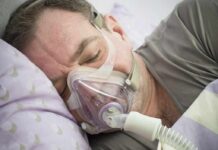
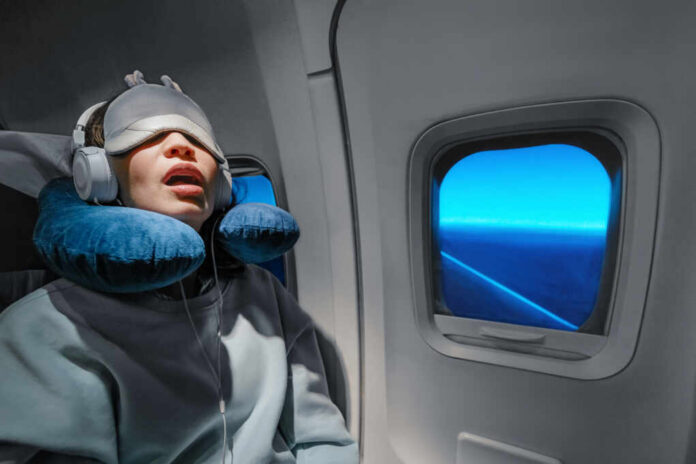
The real problem with CPAP isn’t the science—it’s the human being trying to sleep while wearing it.
Story Snapshot
- Obstructive sleep apnea comes from airway collapse, and CPAP remains the most effective tool for severe cases.
- Up to about 40% of patients struggle with CPAP because of masks, noise, dryness, and simple intolerance.
- Oral appliances and positional therapy can trade a little “perfect” for a lot more nightly use, especially in mild to moderate apnea.
- Implants like hypoglossal nerve stimulation offer a mask-free option, but they bring higher cost, eligibility rules, and surgery.
CPAP Fatigue Happens for Predictable Reasons, Not Personal Weakness
Obstructive sleep apnea blocks breathing when soft tissue collapses in the upper airway, and CPAP fixes that by holding the airway open with steady pressure. The catch is nightly compliance. Masks leak, straps irritate, machines dry out noses, and the whole setup can feel like sleeping in a wind tunnel. Many patients quit or underuse CPAP, which turns a great therapy into a mediocre one.
That mismatch—high effectiveness but real-world friction—explains why “less invasive alternatives” keep gaining attention. People aren’t looking for trendy gadgets; they’re looking for something they will actually use at 2:00 a.m. When a treatment affects your spouse’s sleep, your travel habits, and your willingness to go to bed at all, comfort becomes a clinical factor, not a luxury.
Oral Appliances: The Most Underappreciated Middle Ground
Custom mandibular advancement devices sit in the mouth and gently move the lower jaw forward to widen the airway. They tend to work best for mild to moderate sleep apnea and snoring, and they appeal to anyone who hates hoses, masks, and humidifiers. The key detail: these devices often get used longer per night than CPAP, which can narrow the gap between “best on paper” and “best in life.”
Oral appliances also fit an American common-sense test: fewer parts, easier travel, less fuss. The tradeoff is precision. They require a trained dentist, careful fitting, and follow-up to avoid jaw discomfort or bite changes. Readers should resist the temptation to buy bargain boil-and-bite devices online and assume they’re equivalent. In sleep medicine, cheap convenience often becomes expensive disappointment.
Positional Therapy: Low-Tech, Surprisingly Strategic
Many people experience worse apnea on their back, where gravity pulls the tongue and soft palate into the airway. Positional therapy targets that simple pattern by training sleepers to stay on their side using specialized belts, vibrating trainers, or even structured pillow systems. When it works, it feels almost unfairly simple: no mask, no surgery, no prescriptions that require constant refills.
The limitation is consistency. People roll over, devices get abandoned, and not everyone has position-dependent apnea. Still, it can meaningfully reduce symptoms in the right patient, especially when combined with weight loss or an oral appliance. For a reader who values self-discipline and practical fixes, this approach aligns well: it rewards routine, not dependency on complicated equipment.
Hypoglossal Nerve Stimulation: The “Inside-Out” Fix with a Big Price Tag
Hypoglossal nerve stimulation, commonly known through the Inspire brand, uses an implanted device to stimulate tongue muscles during sleep so the airway stays open. It’s a mask-free concept built for people who can’t tolerate CPAP, and many patients like the control: turn it on at bedtime, turn it off in the morning. Sleep teams often describe it as a game changer for the right candidate.
This therapy can run into tens of thousands of dollars and requires surgical implantation and screening criteria. That isn’t an argument against it; it’s an argument for careful patient selection and transparent outcomes. High-tech medicine earns trust when it proves results, not when it sells hope.
Daytime Muscle Stimulation, Negative-Pressure Collars, and Other “No-Mask” Experiments
Newer approaches try to eliminate bedtime hardware altogether. Daytime electrical stimulation aims to strengthen airway muscles while you’re awake. Research also explores negative-pressure neck collars and oral suction concepts that stabilize the airway without a full CPAP system. These ideas share a theme: attack the mechanical problem without asking the patient to sleep tethered to a machine every night.
Readers should keep expectations grounded. Early-stage devices can sound miraculous long before they’re proven across broad, real-world populations. Limited long-term data and narrower testing groups mean the safest path is to treat these as “promising” rather than “settled.” The responsible move is to ask your sleep specialist what evidence exists for your severity level, not what’s trending online.
What a Smart Decision Process Looks Like in a Busy Life
The best alternative isn’t the one that wins a spec sheet battle; it’s the one that fits your diagnosis and your habits. Severity matters, because severe apnea usually demands the strongest airway support. Anatomy matters, because jaw structure, tongue position, and nasal blockage can make one therapy succeed and another fail. Your decision should start with a proper sleep study and an honest conversation about what you will tolerate nightly.
Patients also deserve straight talk about incentives. Manufacturers market devices, clinics promote services, and insurers have their own rules. None of that automatically means bad faith, but it does mean you should insist on measurable goals: symptom improvement, objective follow-up testing, and adherence tracking. Effective sleep apnea treatment reduces cardiovascular risk, daytime sleepiness, and accident risk. That payoff is too serious for guesswork.
CPAP will remain the gold standard for many people, but the cultural shift is real: modern sleep medicine now treats comfort and compliance as clinical endpoints. If you feel like your CPAP is winning and you’re losing, you’re not alone—and you’re not out of options. The smartest next step is to match the least invasive tool to the most important outcome: consistent breathing, every night.
Sources:
Beyond CPAP: other options for sleep apnea
Non-CPAP therapy for obstructive sleep apnoea
Can’t Get Used to a CPAP? Here Are 6 Alternative Options
CPAP Alternatives: Explore Non-Invasive Sleep Apnea Solutions
5 alternatives to CPAP for sleep apnea