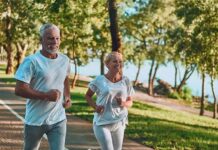

Four tiny changes to your daily walk unleash muscle-building power and heart-pumping cardio rivaling gym sessions, without stepping foot in one.
Story Snapshot
- Backward walking boosts balance and knee strength, drawing from rehab research.
- Criss-cross steps fire up inner thighs and core for stability and injury prevention.
- Nanba style from Japan enhances posture and energy efficiency during strolls.
- Skipping intervals and resistance add HIIT intensity, torching fat like structured workouts.
Backward Walking Builds Unseen Strength
Janet S. Dufek, Ph.D., from UNLV, champions backward walking to strengthen quads, hamstrings, and calves while improving balance. This tweak activates muscles differently than forward strides, aiding knee rehab and stability. Walkers facing backward for short bursts on safe paths gain proprioception benefits. Studies show it reduces forward gait issues common in aging. Practice 30 seconds at a time, building to minutes, transforming mundane paths into strength zones.
A 2011 randomized trial proved short walking bouts match long ones for step increases and blood pressure drops. Participants added 1,878 to 2,261 steps daily over eight weeks. This supports tweaking walks into effective sessions without long commitments.
Criss-Cross Steps Target Hidden Muscles
Samantha Pinkston, P.T., D.P.T., recommends criss-cross walking to engage adductors, glutes, and obliques. Cross one leg over the other mid-stride, like a fashion model’s runway walk. This fires up inner thighs neglected in straight-line pacing. It prevents injuries by building hip stability essential for daily function. Add it to sidewalks or parks for immediate core activation.
Resistance tweaks amplify gains. Polar fitness experts suggest using a park bench for dips and push-ups mid-walk. Loop a band around ankles for extra tension. These additions engage upper body and legs simultaneously. Evidence from trials shows such variations boost adherence to 88-91 percent.
Nanba Walking Elevates Posture and Efficiency
Latreal Mitchell introduces Nanba walking, a Japanese technique swinging arms opposite to legs with loose hips. It promotes upright posture, deeper breathing, and mindfulness. Walkers report less fatigue over distance due to optimized energy use. Originating for stability, it suits seniors avoiding high-impact exercise. Integrate heel-toe rolls for full lower body engagement.
Harvard guides stress tall posture and vigorous arm swings to maximize calorie burn. Swing arms from shoulders, not elbows, pumping heart rate higher. This simple fix turns casual saunters into aerobic powerhouses. Post-pandemic, home-based tweaks counter sedentary traps, supporting personal responsibility in fitness.
Skipping Intervals Ignite Fat Burn
Expert Tim O’Connell advises 15-second skipping bursts every few minutes. This HIIT element spikes heart rate, building endurance and leg power. Alternate high knees or ropes if available. AHA endorses brisk walking for cardiovascular health, with tweaks pushing it further. Short bouts rival continuous efforts per NIH data.
Impacts extend broadly. Inactive adults, especially women and seniors, see blood pressure drops and hip reductions. Long-term, expect better BMI, fitness, and healthy aging. Low-cost access promotes equity, easing healthcare loads amid obesity rises. Wearables track progress, shifting industry from gyms to habits.
Sources:
Prevention: Walking Tweaks for Muscle
Healthline: Japanese Walking Trend
PMC/NIH Long-term Walking Impacts
Harvard: Perfecting Walking Technique
Local12: Walking for Weight Loss