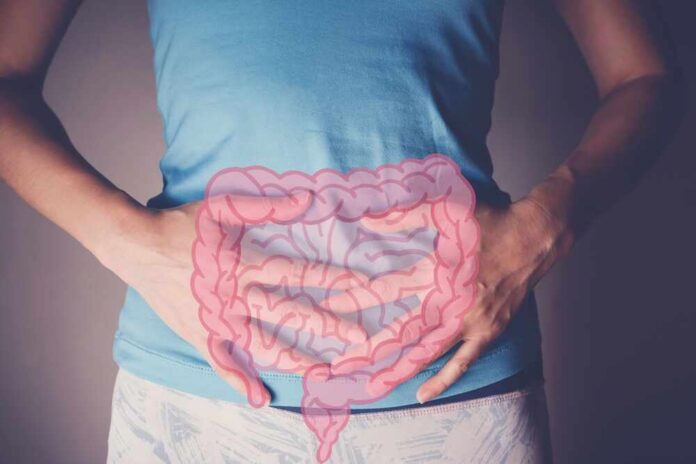
Menopause doesn’t just flip a switch on your periods; it quietly rewires your gut, and that can snowball into bloating, constipation, reflux, and even metabolic trouble.
Quick Take
- Digestive symptoms show up in the vast majority of menopausal women, with bloating, constipation, stomach pain, and reflux leading the list.
- Falling estrogen changes gut motility, weakens barrier repair, and shifts the microbiome toward lower diversity.
- Researchers now connect these gut shifts to inflammation and higher cardiometabolic risk markers in postmenopausal women.
- Most women try to self-manage through diet, stress control, and supplements, often without adequate clinical help.
The overlooked symptom cluster most women never connect to hormones
Digestive misery often arrives in menopause like a “new normal” no one warned you about. Large survey research found digestive symptoms in 94% of menopausal women, with bloating (77%), constipation (54%), stomach pain (50%), and acid reflux (49%) topping the list. That’s not a quirky side effect; that’s a pattern. The bigger tell: more than half reported daily or weekly disruption that noticeably dented quality of life.
Healthcare doesn’t always catch up to patterns that mainly affect women in midlife. Only about half of symptomatic women sought professional support, and many of those who did judged it inadequate. That gap creates a predictable result: most women start experimenting on themselves—cutting foods, adding supplements, chasing probiotics, or blaming stress—without a clear map of what menopause does to digestion and why the same meal can suddenly feel like a bowling ball.
What estrogen used to do for your digestive system, until it didn’t
Estrogen isn’t just about reproduction; it supports the day-to-day housekeeping of the GI tract. Research describes estrogen’s role in gut injury repair and in maintaining intestinal barrier integrity—the “tight” lining that helps keep bacteria and inflammatory fragments where they belong. When ovarian hormone production drops, those protective effects fade. A weaker barrier plus altered motility equals more bloating, irregular stools, and a greater chance of reflux flaring.
Scientists also track changes in how the gut moves and signals. Menopause can affect motility, which is the difference between comfortable regularity and the constipated, distended feeling many women describe. Add the gut-brain axis, where stress and sleep disruption can amplify GI symptoms, and you get a perfect feedback loop: discomfort raises stress, stress worsens symptoms, and meals become a daily guessing game. The emerging research pushes one message: this isn’t “in your head.”
The microbiome shift: your gut starts to look less like your old self
The microbiome story makes menopause feel less mysterious and more mechanical. Multiple studies report lower gut microbiome diversity in menopause and shifts in bacterial composition. Some findings show postmenopausal gut communities becoming more similar to men’s than to premenopausal women’s, a striking biological signal that hormones help shape the ecosystem. Researchers have also reported lower abundance of groups such as Firmicutes and Ruminococcus, alongside functional pathway changes observed in microbiome analyses.
The microbiome data meets that standard better than most menopause chatter online because it links to objective outcomes. Researchers have associated menopause-related microbiota changes with worse cardiometabolic profiles, including lower HDL cholesterol, higher waist circumference, and elevated blood pressure. That doesn’t prove every stomachache equals heart risk, but it supports a serious, whole-body view of midlife digestion.
Inflammation and metabolism: the “gut symptom” that becomes a health trajectory
Mechanistic work has sharpened the stakes. Research highlighted by Purdue University points to a cascade after ovarian hormone loss: inflammation rises, metabolic changes accelerate, and risk for obesity and metabolic disease climbs. That framing matters because it moves the conversation from “avoid gas” to “protect long-term health.” The most responsible read is also the most practical: treat gut symptoms as information, not as a nuisance to suppress and forget.
Hormone therapy also enters the gut conversation with nuance. Menopausal Hormone Therapy has been shown to alter gut microbial composition in ways that may help protect bone health, including changes involving bacteria such as Akkermansia. That doesn’t mean hormone therapy is for everyone, and it’s not a license to ignore diet. It does mean the gut isn’t separate from the hormone decision; it’s part of the risk-benefit discussion a serious clinician should be having.
Three foods that support the gut without turning your kitchen into a chemistry lab
Food won’t “cure” menopause, but the right staples can make the gut easier to live in while researchers nail down targeted interventions. First: fermented foods with live cultures, such as plain yogurt or kefir, which can help support microbial balance for some people. Second: legumes like lentils and chickpeas, which deliver fermentable fiber that gut bacteria convert into beneficial compounds. Third: oats, a steady source of beta-glucan fiber that supports regularity and cardiometabolic goals.
Execution beats perfection. Start with one addition at a time and track symptoms for two weeks, because rapid fiber loading can backfire and worsen bloating. Pair higher-fiber foods with water and a consistent meal schedule to support motility. If reflux dominates, keep fermented foods modest and observe tolerance.
Menopause care needs a reality check: women are already doing the work, but too many are doing it alone. The research trend is clear—menopause changes the gut ecosystem, not just comfort, and that shift can intersect with inflammation, weight, blood pressure, and bone health. If symptoms are frequent or escalating, treat them like you would any other persistent health signal: document them, bring specifics to your clinician, and demand a plan based on evidence.
Sources:
Menopause and gut health: Study finds 94% of women experience digestive symptoms
Estrogen, menopause, and the gut: mechanisms linking hormones to intestinal barrier and microbiome
3 ways menopause changes the gut microbiome
How does the gut microbiome change during menopause?