
PTSD often steals sleep with pounding nightmares and stubborn insomnia, and proven treatments can take it back.
At a Glance
- Nightmares and insomnia are core PTSD symptoms, not side notes.
- Therapies like cognitive behavioral therapy for insomnia and imagery rehearsal therapy work.
- Antidepressants can reduce anxiety and help sleep in PTSD care plans.
- Guidelines back therapy-first care, with medicines as add-ons when needed.
PTSD’s Night Battles: What Shows Up After Dark
Mayo Clinic lists nightmares and sleep problems as classic PTSD symptoms, right alongside flashbacks and high anxiety. That pairing tracks with large reviews that flag insomnia and trauma nightmares as the two main sleep problems in PTSD. People report trouble falling asleep, waking often, and jolting awake from fear-filled dreams. Poor sleep then fuels next-day irritability, foggy focus, and more worry. The loop tightens. Naming these as primary symptoms matters, because it points treatment at sleep itself, not only the daytime stress.
Many adults think nightmares mean “nothing to do.” That belief misses the science. Trauma-related nightmares are learned fear scripts that replay in sleep. The brain expects threat and fires the alarm. Over weeks and months, bedtime becomes a cue for dread. The body stays on guard. Heart rate runs high. Light sleep follows. People then nap at odd hours, use more caffeine or alcohol, and push sleep even further off track. The problem is real physiology, not a weakness.
Therapy That Rebuilds Sleep: First-Line Tools
Cognitive behavioral therapy for insomnia targets the habits and thoughts that lock insomnia in place. It sets strict sleep and wake times, limits time in bed to true sleep, and retrains the brain to see the bed as a sleep cue again. Multiple reviews label cognitive behavioral therapy for insomnia the gold standard for insomnia, including in people with PTSD. Department of Veterans Affairs and Department of Defense guidelines also make cognitive behavioral therapy for insomnia the first-line treatment for PTSD-related insomnia. Results often show better sleep and steadier mood.
Imagery rehearsal therapy takes direct aim at nightmares. The method is simple, but not easy: recall a nightmare while awake, write a safer ending, and rehearse that new script daily. The goal is to overwrite the fear track with a neutral or even strong ending. Mayo Clinic recognizes imagery rehearsal therapy as a go-to for trauma nightmares. Patients who rehearse see fewer nightmare nights and less shock when bad dreams occur. Sleep becomes less scary, and time in deep sleep grows.
When Medicine Helps: Thoughtful, Targeted, and Measured
Medicine has a place, but not as a shortcut. Mayo Clinic notes that antidepressants can calm anxiety and low mood and help with sleep problems in PTSD. That support can open the door for therapy to work. Some clinicians also consider blood pressure medicines that act on the body’s stress system for trauma nightmares, based on clinical experience and research reviews, though results differ by person and study. Good care pairs any pill with therapy, clear goals, and follow-up. The aim is fewer symptoms with fewer side effects, not a forever refill.
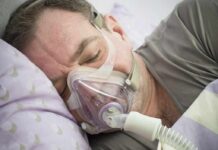
Sleep clinics add more tools when needed. A sleep study can check for breathing problems like obstructive sleep apnea, which can worsen nightmares and awakenings. Daytime sleep schedules, light exposure, and caffeine timing all matter. Mayo education materials stress basics like ruling out medical causes, setting consistent routines, and using proven therapy plans before long-term sedative use. That order reflects common sense: fix the causes, not just the feelings.
What To Expect: A Plan That Puts You Back In Charge
A solid plan starts with a clear map: which problem hits hardest, insomnia or nightmares? Cognitive behavioral therapy for insomnia works best when wake times are fixed, even on weekends, and naps are brief or skipped. Imagery rehearsal therapy works when practiced daily, not only after a bad night. Most people feel better in weeks, not months. That speed builds hope. Combined care—therapy first, medicine when needed—fits the evidence and honors patient choice.
American conservative values point to two anchors here: personal agency and practical results. These treatments respect both. They teach skills that people can use without lifetime costs. They also protect work, family life, and public safety by cutting fatigue and daytime fog. The data support this approach, and it aligns with common sense. Nightmares and insomnia are not moral failings. They are treatable targets. The goal is simple and bold: get people sleeping, then keep them there.
Sources:
youtube.com, mayoclinic.org, pmc.ncbi.nlm.nih.gov, ce.mayo.edu, pubmed.ncbi.nlm.nih.gov, libraryguides.mayo.edu