Your smartphone may know you’re sliding into depression before you do, and it’s reading the signs while you sleep.
Story Snapshot
- Sleep texting—sending nonsensical messages during light sleep—affects roughly 10% of Americans and reveals how tech dependency infiltrates our unconscious hours.
- A 2024 study found daily step counts predict cognitive function in depression patients more reliably than sleep duration or screen time, offering a simple early-warning system.
- Healthcare providers now use HIPAA-compliant text messaging to deliver cognitive behavioral therapy for insomnia, turning the device that disrupts sleep into a treatment tool.
- The collision of wearables, mental health crises, and pandemic-fueled screen addiction has transformed passive digital data into potential mental health diagnostics, though questions about causation and privacy linger.
When Your Thumbs Work the Night Shift
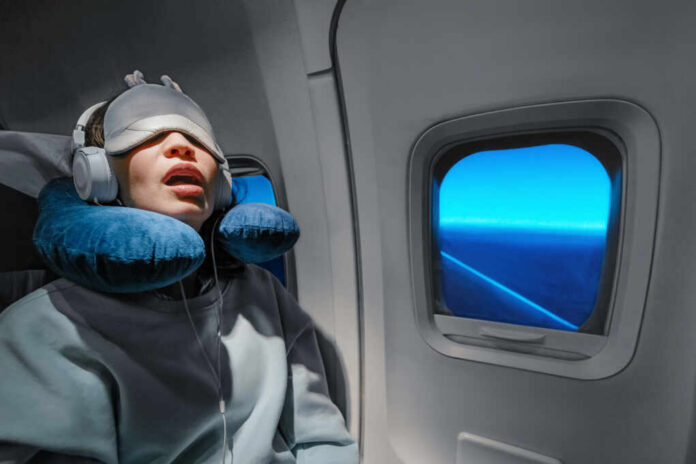
Sleep texting sounds like a punchline until you wake up to gibberish messages you don’t remember sending. During stages one and two of non-REM sleep, the prefrontal cortex—responsible for judgment and memory—powers down while motor circuits in the basal ganglia remain active. Phones near the bed, vibrating notifications, and ingrained texting habits create the perfect storm. The result: your fingers tap out incoherent responses or late-night confessions your conscious mind would never approve. Dr. Lina Fine, a Seattle neurologist, calls these nocturnal texts a window into the “unconscious mind,” exposing vulnerabilities and stressors buried during waking hours.
The National Sleep Foundation estimates parasomnias—sleep disorders like sleepwalking, sleep-eating, and now sleep texting—affect about 10% of U.S. adults. COVID-19 lockdowns amplified the problem as screen time soared and bedrooms morphed into 24-hour command centers. Unlike sleepwalking, which carries physical danger, sleep texting mostly delivers social embarrassment. Yet experts warn it signals deeper issues: fragmented sleep architecture, melatonin disruption from blue light, or underlying conditions like sleep apnea. The bigger concern isn’t the awkward morning apology but what chronic sleep disruption reveals about mental health.
Digital Breadcrumbs Leading to Depression’s Door
Researchers at the National Institutes of Health tracked patients with major depressive disorder using smartphones to collect sleep logs, step counts, and screen time alongside daily cognitive tests. The 2024 study published in PMC uncovered a hierarchy of predictive power: step counts mattered most for cognitive function, outperforming sleep duration and screen exposure. On days patients walked less than their personal average, cognitive performance plummeted. Sleep quality played a role, but the within-person variability—how much your own habits fluctuate—proved more telling than population-wide comparisons. The findings suggest a simple metric like daily steps could serve as an accessible early-warning system for cognitive decline tied to depression.
The American Psychiatric Association formalized the sleep-depression link in 2013, embedding sleep disturbances into diagnostic criteria for major depressive disorder. Over one-fifth of U.S. adults grapple with depression, and the rise of wearables—over one billion Apple Watches sold—has turned passive tracking into the norm. Apps from Fitbit, WHOOP, and dozens of startups promise mood predictions based on sleep scores and activity levels. The democratization of data is empowering, but the science remains correlational, not causal. Does depression cause low step counts, or do sedentary habits worsen depression? Longitudinal studies haven’t settled the question, leaving consumers vulnerable to overinterpreting their wrist-worn insights.
Texts as Therapy, Not Just Symptoms
Healthcare providers have flipped the script on problematic phone use by incorporating text messaging into cognitive behavioral therapy for insomnia. Platforms like Paubox enable HIPAA-compliant texting, allowing clinicians to send sleep diary prompts, relaxation reminders, and real-time feedback without breaching privacy laws. Patients respond with nightly check-ins—lights-out times, wake-ups, perceived sleep quality—creating a continuous feedback loop that paper journals never achieved. The convenience boosts adherence, particularly among younger patients who text reflexively. Structured texting programs have shown promise in pilot trials, though skeptics argue they risk tethering patients to the very devices sabotaging their sleep.
The paradox runs deeper. Smartphones deliver blue light that suppresses melatonin, notifications that fragment rest, and behavioral cues—like checking work emails at 2 a.m.—that reinforce insomnia. Yet those same devices generate ecological momentary assessments, capturing real-world behavior outside sterile lab settings. The Sweet Institute warns that tech dependency erodes sleep hygiene and exposes the subconscious to unintended disclosures via sleep texting. Optimists counter that interventions like phone curfews, airplane mode, and charging stations outside the bedroom offer actionable fixes. The tension between harm and healing defines the current moment: tech companies wield immense power over data, clinicians mediate ethical use, and patients navigate a minefield of conflicting advice.
Privacy, Equity, and the Limits of Wearable Wisdom
Billion-dollar health tech markets hinge on wearable data, but privacy advocates question who profits when your sleep score predicts a depressive episode. Apple, Google, and startups monetize APIs that feed algorithms, often without transparent consent or oversight. HIPAA expansions for texting clarify provider obligations, yet consumer apps operate in regulatory gray zones. Underserved communities face equity gaps: wearables cost hundreds of dollars, and app ecosystems assume smartphone ownership and digital literacy. Mental health surveillance risks exacerbating inequalities if only affluent users access early interventions. The broader societal shift toward ecological momentary assessment positions tech firms as de facto therapists, a role they’re neither trained nor regulated to fulfill.
Experts agree on the need for caution. The 2024 PMC study authors emphasize within-person patterns over one-size-fits-all thresholds—your baseline matters more than population averages. Healthline notes sleep texting resembles other parasomnias: common, usually benign, but worth investigating if tied to medications or sleep apnea. Dr. Fine’s “subconscious language” framing intrigues linguists and therapists, yet no peer-reviewed studies pinpoint the exact sleep stage when texting occurs. Causality remains elusive, and randomized controlled trials are scarce. The data whisper clues about mental health, but they don’t yet shout diagnoses. For now, the humble step count offers the clearest signal—a reminder that sometimes the oldest interventions, like a daily walk, matter more than the latest app notification.
Sources:
Sleep Texting: What It Is and How to Stop It – Positivity.org
Text Messaging in Sleep Disorder Treatment – Paubox
Sleep Texting: Causes, Effects, and How to Stop – Healthline
Sleep Texting on the Rise – SmartSign Blog