Too little salt silently drains your energy, fogs your brain, and triggers hidden stress signals your body desperately tries to hide.
Story Snapshot
- Sodium powers your body’s electrical signals, fluid balance, and brain function—deficiency hits active people hardest.
- Mainstream advice pushes low-sodium limits, but whole-food eaters and heavy sweaters risk fatigue from under-consumption.
- U.S. average intake exceeds 3,400 mg daily, yet optimization beats blanket restriction for health.
- Health authorities warn of excess risks like hypertension; wellness experts demand balance via sodium-potassium ratios.
Sodium’s Vital Role in Bodily Electricity
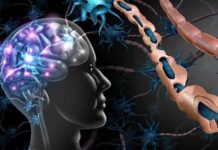
Sodium drives nerve impulses, muscle contractions, and cellular energy production. Cells maintain a sodium-potassium gradient that generates electrical signals essential for heartbeat, digestion, and thought. Wellness Mama explains sodium acts as a conductor, enabling protons to flow for ATP energy. Without adequate levels, bodies signal distress through fatigue and poor hydration. Active lifestyles amplify needs, as sweat depletes stores rapidly.
Modern Lifestyles Create Hidden Deficiencies
High water intake, whole-food diets low in processed salts, and intense exercise strip sodium faster than most realize. Symptoms emerge as brain fog, muscle cramps, and chronic tiredness. Wellness Mama highlights how these groups suffer hyponatremia risks, contradicting assumptions of universal excess. Personal anecdotes reveal optimization restores vitality, challenging one-size-fits-all restrictions.
Historical Shift to Low-Sodium Dogma
Framingham Heart Study launched in 1948 linked diets to cardiovascular disease, spurring 1970s Senate reports on processed food sodium. WHO and FDA set limits under 2,300 mg daily by the 1980s, based on hypertension epidemiology. Processed foods now supply 75% of intake in Western diets, pushing U.S. averages to 3,400 mg. Yet minimum needs stand at 500 mg for basic nerve function.
Keto and low-carb trends revived pro-optimization views, questioning blanket cuts. Cultural variations expose flaws in universal guidelines.
Stakeholders Clash Over Sodium Guidelines
WHO, FDA, CDC, and American Heart Association enforce reductions, citing 18% CVD risk per 1,000 mg rise. Harvard stresses sodium-potassium balance. Wellness Mama’s Katie Wells counters with cellular biology, targeting athletes and high-water drinkers. AMA’s Dr. Egan notes excess harms immunity; DaVita warns kidney patients. Bloggers sway niche audiences against policy dominance.
Health Impacts of Imbalance
Excess sodium elevates blood pressure short-term, fostering long-term strokes, kidney damage, and bone loss. Low levels trigger immediate fatigue and fog, especially in sweaters. General populations face overconsumption; whole-food adherents risk underuse. Economic toll from CVD runs billions, pressuring food reformulation. Wellness sectors push electrolyte supplements amid dietary confusion.
Sources:
Why Getting Enough Salt is Critical For Health
The Nutrition Source: Salt and Sodium
DaVita: Sodium Intake: Why Is It Important?
AMA: What doctors wish patients knew about sodium consumption
American Heart Association: Sodium and Salt