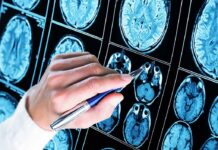

Sleep quality, gut microbiome, and social ties now rival blood pressure as top predictors of brain health, upending decades of medical wisdom.
Story Snapshot
- American Heart Association’s April 28, 2026 statement reveals lifetime factors like mental health and environment shape brain outcomes.
- Shifts focus from vascular risks to sleep, gut health, and social conditions for preventing stroke, decline, and dementia.
- Life’s Essential 8 adherence cuts cognitive impairment risk by 40-70%.
- Up to 45% of dementia cases preventable through lifestyle tweaks across lifespan.
AHA’s New Framework Redefines Brain Health
American Heart Association released “Brain Health Across the Life Span: A Framework for Future Studies” on April 28, 2026, in Stroke journal. This statement synthesizes research showing brain health forms from early life experiences through adulthood. Dr. Marsh noted traditional focus on blood pressure and cholesterol remains vital, but external factors like sleep quality, gut microbiome, and social conditions demand equal attention. Lifetime prevention beats late interventions. Psychological and environmental influences join physical risks in this comprehensive view.
From Vascular Focus to Holistic Predictors
Past research targeted vascular damage from high blood pressure and cholesterol, which elevate stroke and dementia risks. New evidence proves psychological, lifestyle, and social elements profoundly impact brain health over decades. Modifiable factors explain nearly half of dementia cases. AHA’s Life’s Essential 8 framework links strong adherence to 40-70% lower cognitive impairment odds. Aging U.S. population faces rising brain conditions affecting memory and thinking. Global dementia afflicts 153 million; strokes hit 15 million yearly.
Stakeholders Push Prevention Strategies
AHA leads with the scientific statement and LE8 framework. NIH reports 7.1 million Americans show Alzheimer’s symptoms. Lancet Commission identifies 45% dementia prevention via lifestyle changes, adding factors like hearing loss. Healthcare professionals screen for mental health; policymakers expand care access. Researchers validate biomarkers for early detection. Aging patients and families gain most from these shifts.
Emerging Factors Gain Scientific Weight
Mental health, sleep quality, environment, lifestyle, and social conditions mold brain health lifelong. Hypertension treatment slashes dementia risk 40%; high LDL adds 7% risk. Hearing loss raises dementia odds 4-24% per 10-dB drop. Retina imaging via OCT and OCTA offers brain health windows. Plasma biomarkers p-tau217 and Aβ42/40 match invasive tests with over 90% accuracy for primary care. These tools enable early, personalized action grounded in facts.
Impacts Reshape Healthcare and Policy
Short-term, systems integrate mental health and social assessments into evaluations. Long-term, LE8 and 14 lifestyle factors prevent 40-70% impairments and 45% dementia. Cardiovascular and neurology fields merge prevention tactics. Primary care expands screenings; biomarkers and AI draw investments. Affected groups include at-risk elders, providers, and caregivers.
Sources:
New scientific statement defines brain health across life
Brain Health Shaped by Lifetime Mental, Physical, Environmental and Lifestyle Factors
MEXC News on AHA Brain Health Statement
PMC Article on Brain Health Biomarkers and Prevention
Targeting 14 Lifestyle Factors May Prevent Up to 45% of Dementia Cases
2025 NIH Dementia Research Progress Report