
One eating pattern keeps winning “best diet” not just because it helps hearts, but because it may literally slow how your cells age.
Story Snapshot
- A big Harvard-led study linked closer Mediterranean diet eating to longer cell telomeres, a marker of slower aging [14]
- Meta-analysis of over 13,000 people found the same pattern, especially in women [15]
- But the strongest trial did not show clear telomere protection, so causality is still unproven [9]
- For now, the smart play is to enjoy the proven heart benefits while staying skeptical of “miracle longevity” claims [4]
Why The Mediterranean Diet Keeps Coming Out On Top
Year after year, the Mediterranean diet lands at or near the top of “best diet” rankings, and this is not hype pulled from thin air. Large cohorts and trials connect this eating pattern with lower heart disease, fewer strokes, cleaner blood sugar, and lower overall death rates [1][2][4]. The Spanish PREDIMED trial, for example, found about a 30 percent drop in major cardiovascular events when people were coached to follow a Mediterranean pattern rich in olive oil or nuts [4]. That is real-world risk, not just lab fluff.
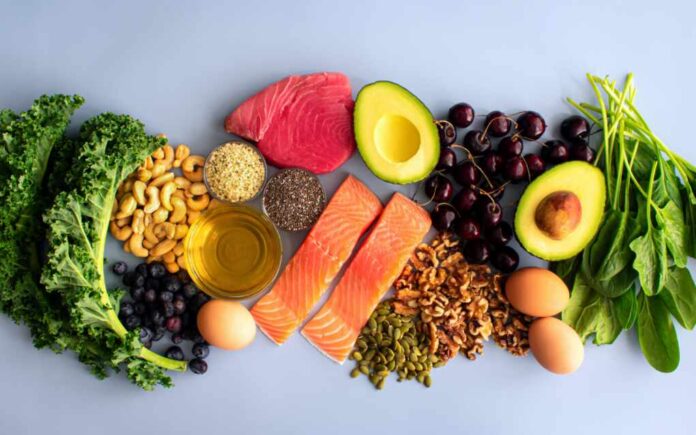
The pattern itself is simple enough for any busy 60-year-old to grasp at a glance. Meals center on vegetables, fruits, beans, whole grains, nuts, and generous use of extra virgin olive oil, with fish and poultry often and red meat sparingly [5][6][7]. Dessert looks more like oranges or berries than cake. Wine shows up in small amounts with food, not as a nightly solo event on the couch [5][7]. In short, it looks a lot like how your grandparents ate before ultra-processed foods took over the pantry.
The Telomere Hook: Can Dinner Slow Cellular Aging?
What pushed the Mediterranean diet from “heart-healthy” into “anti-aging” headlines was one very specific claim: people who eat this way have longer telomeres. Telomeres are the caps on the ends of your chromosomes, like the plastic tips on shoelaces. As you age, they shorten. Shorter telomeres are linked with higher risk of chronic disease and death, so they serve as one biomarker of biological aging [14]. The exciting question is obvious: can food slow that shortening?
A widely cited study inside the Nurses’ Health Study tried to answer that. Researchers looked at 4,676 healthy, middle-aged and older women and scored how closely each followed a Mediterranean-style pattern [14]. Women with the highest adherence had longer leukocyte telomere length than those with the lowest adherence, even after adjusting for smoking, body weight, and other factors [14]. The authors translated the effect into plain language: each one-point bump on the Mediterranean score matched, on average, about 1.5 years of “younger” telomeres [14].
Patterns Beat “Superfoods,” But The Signal Is Modest
People love to ask for the one magic food, but this study undercut that fantasy in a quiet, powerful way. When the team broke the diet into parts—fish, vegetables, fruit, olive oil, and so on—no single component clearly tracked with telomere length [14][6]. The association showed up only for the overall pattern. Health comes from a disciplined way of living over time, not from sprinkling one expensive “superfood” on an otherwise reckless lifestyle.
Independent analysts did not stop at one cohort. A systematic review pooled eight cross-sectional studies with 13,733 people from five countries and found that higher Mediterranean diet adherence was associated with longer telomeres overall, with a modest but positive effect size [15]. The signal was clearer in women than in men, which matches the female-only Nurses’ Health finding [15]. These effects were not huge; they were small but consistent, and small effects in nutrition often mean “could be real, could be mixed with noise.”
Where The Evidence Bites Back
Here is where a careful reader should lean forward. The strongest Harvard study was cross-sectional. That means diet and telomere length were measured at the same time, so nobody can say which came first [14]. Healthier women who already had better biology might simply be more likely to choose salad over fries. Observational nutrition studies almost always have this problem, which is why many experts warn against spinning single associations into “this diet will make you live longer” promises [18][19].
What about actual experiments? One trial in high cardiovascular risk adults assigned people to Mediterranean diet plus nuts, Mediterranean diet plus extra virgin olive oil, or a low-fat comparison diet, then tracked telomeres over about five years [9][10]. Baseline adherence to Mediterranean eating linked to longer telomeres in women, but the interventions themselves did not clearly prevent telomere shortening compared with the low-fat control [9][10]. Worse, the nut-supplemented arm showed a higher risk of telomere shortening than control, while the olive-oil arm looked about the same [10]. That is hardly the slam-dunk “telomere shield” some headlines suggest.
How Much Can We Trust Telomeres As A Story Of Aging?
There is also the bigger question: even if the diet truly nudged telomeres, what does that mean for your actual life? Telomere length is a biomarker, not a destiny. The Nurses’ Health paper itself linked Mediterranean eating to telomere length in blood cells, not to actual years lived or disability-free survival [14]. Other research ties this diet pattern to lower cardiovascular death and better “healthy aging” scores, but those outcomes were not proven to be driven by telomeres specifically [1][2]. That missing link leaves room for both hope and skepticism.
The take-home is straightforward. No one should hand sweeping power to food bureaucrats or wellness gurus based on biomarker snapshots. At the same time, the Mediterranean pattern lines up almost perfectly with what many public health agencies already recommend: real food, plants first, healthy fats, and less sugar and processed junk [1][5][7][20]. You do not need a miracle-aging claim to justify that; you just need a desire to stay functional, independent, and sharp as the years pile up.
Sources:
[1] Web – The Mediterranean Diet Keeps Ranking No. 1 & This Study Helps Explains …
[2] Web – Mediterranean diet and telomere length in Nurses’ Health Study
[4] Web – Adherence to a Mediterranean diet linked to longer telomere length
[5] Web – Mediterranean Diet and Telomere Length: A Systematic Review and …
[6] Web – Mediterranean Diet – UNM
[7] Web – New Evidence that a Mediterranean Diet May Lead to a Longer Life
[9] Web – Mediterranean Diet Linked to Reduced Disability Progression in …
[10] Web – Mediterranean diet and telomere length in high cardiovascular risk …
[14] Web – Causal association between dietary factors and telomere length …
[15] Web – Mediterranean diet and telomere length in Nurses’ Health Study – PMC
[18] Web – Nature of the evidence base and strengths, challenges and …
[19] Web – Nutrition Misinformation: How to Identify Fraud and Misleading Claims
[20] Web – I asked 8 researchers why the science of nutrition is so messy … – …