
A groundbreaking gene-targeted therapy has achieved up to 91% seizure reduction in children suffering from a devastating genetic epilepsy that previously left families with little hope and few effective treatment options.
Story Highlights
- Zorevunersen, an experimental drug, reduced seizures by up to 91% in children with Dravet syndrome, a severe genetic epilepsy affecting roughly 1 in 15,000 to 40,000 children
- The therapy addresses the root genetic cause rather than just masking symptoms, marking the first disease-modifying treatment for this condition
- Clinical trials involving 81 patients aged 2-18 showed sustained improvements over three years, including cognitive gains and better quality of life
- Phase 3 trials are now underway to confirm efficacy, potentially leading to FDA approval and offering real relief to thousands of desperate families
Breaking Ground Where Government-Funded Research Failed
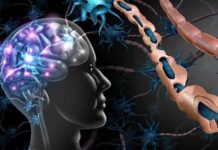
Zorevunersen represents a triumph of private sector innovation over decades of inadequate government-funded research. Developed by Stoke Therapeutics in collaboration with Biogen, this antisense oligonucleotide drug targets the SCN1A gene mutation responsible for Dravet syndrome. The therapy works by upregulating protein production from the healthy gene copy, addressing haploinsufficiency that causes reduced Nav1.1 sodium channel protein in inhibitory neurons. Children previously experienced an average of 17 seizures per month before treatment, alongside cognitive impairment, movement difficulties, and life-threatening complications that existing symptomatic drugs barely touched.
Remarkable Results Published in Top Medical Journal
The New England Journal of Medicine published peer-reviewed results on March 4, 2026, documenting outcomes from Phase 1/2 trials and extension studies. Eighty-one participants received the drug via lumbar puncture, with 75 continuing into extension phases receiving doses every four months. The highest dose group, receiving 70mg, experienced seizure reductions ranging from 59% to 91% over the first 20 months of extensions. Motor seizures specifically dropped by 85% at three months. These improvements sustained through 36 months, accompanied by meaningful gains in cognition, behavior, and overall quality of life that previous treatments never delivered.
New drug cuts seizures by up to 91% in children with rare epilepsy
A new experimental drug is showing remarkable promise for children with Dravet syndrome, a severe genetic form of epilepsy. In clinical trials, the treatment zorevunersen cut seizures by as much as 91% while also…
— The Something Guy 🇿🇦 (@thesomethingguy) March 5, 2026
Real Families See Life-Changing Transformations
Eight-year-old Freddie from the UK experienced over 91% seizure reduction after participating in trials at Great Ormond Street Hospital, while 12-year-old Owen from the US saw similar dramatic improvements at Lurie Children’s Epilepsy Center. Lauren, Freddie’s mother, described the profound impact on their family’s daily life. Professor Helen Cross from UCL Institute of Child Health, the trial’s lead researcher, noted the heart-breaking reality that families previously faced extremely limited options. Dr. Laux from Lurie Children’s emphasized this represents the first therapy targeting the root cause with unprecedented developmental benefits, not just seizure control.
Private Innovation Offers Hope
For decades, families affected by Dravet syndrome received little help from government health agencies focused on bureaucratic processes rather than breakthrough solutions. Traditional treatments like cannabidiol and valproate achieved less than 50% seizure reduction in most patients, leaving children trapped in cycles of debilitating seizures and developmental regression. Galia Wilson, Chair of Dravet Syndrome UK, stated the new therapy offers real hope for families who have watched their children suffer without adequate interventions. The therapy’s safety profile showed mostly mild side effects across three years of monitoring, demonstrating responsible development that prioritized patient welfare over rushed regulatory approval.
Economic Realities and Access Concerns
While zorevunersen promises transformative results, the economic reality cannot be ignored. Antisense oligonucleotide therapies typically cost upwards of $500,000 annually, raising concerns about healthcare system strain and family acces. The Phase 3 trials currently underway will determine whether the FDA fast-tracks approval, potentially making the therapy available by 2027 or later. Advocacy groups are already mobilizing to ensure access, though questions remain about whether government-run systems will adequately cover these costs or create obstacles for desperate families seeking help.
Sources:
New drug cuts seizures by up to 91% in children with rare epilepsy – ScienceDaily
Life-changing drug identified for children with rare epilepsy – Healthcare Management UK
Life-changing drug identified for children with rare epilepsy – UCL News
Experimental drug shows promise for rare childhood epilepsy – EurekAlert