What you eat for brain health at 35 is not the same as what you should eat at 65, and most nutrition advice completely ignores that difference.
Quick Take
- Brain food needs shift across life stages, with animal-based foods like eggs and meat playing a bigger role early and plant-based foods like berries and leafy greens becoming more critical later.
- A peer-reviewed life-course review found that B vitamins, iron, and polyphenols all matter for brain health, but their food sources matter differently depending on your age.
- The Mediterranean and MIND diets show the strongest evidence for protecting the aging brain, centering leafy greens, berries, fish, and olive oil.
- Major health groups warn against chasing single “superfoods” — the overall diet pattern across your lifetime matters most.
Why the Standard Brain Food List Is Too Simple
Every few months, a new article tells you to eat blueberries and salmon for your brain. That advice is not wrong, but it is incomplete. A peer-reviewed review titled “Nutrition and cognitive health: A life course approach” makes the case that brain nutrition is not one-size-fits-all. [6] The foods and nutrients that matter most actually shift as your brain moves through different stages of growth, maintenance, and protection.
The brain is not static. It grows rapidly in early life, stabilizes in adulthood, and then faces new threats from inflammation and oxidative stress as you age. [7] Treating every decade the same way ignores the biology. Yet most public nutrition guidance does exactly that, offering a single list of “brain foods” that collapses 80 years of life into one meal plan.
Early Life: Building Blocks Come From Animal Foods
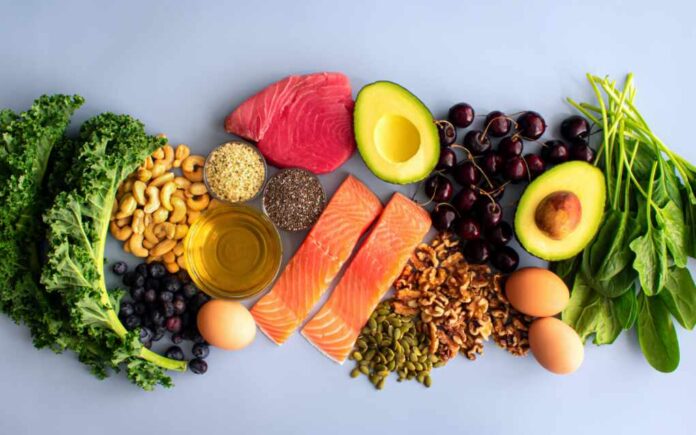
In the womb and through early childhood, the brain needs raw materials to build itself. Omega-3 fatty acids, especially DHA found in cold-water fish like salmon and sardines, drive fetal brain development. [7] Choline, found in eggs, supports memory structure. Iron, found in meat, is critical for forming the nerve connections that allow a child to think, focus, and learn. [6] Deficiencies in these nutrients during early development can cause lasting cognitive harm that no amount of blueberries fixes later.
This does not mean plant foods are useless in childhood. Folate from leafy greens supports early neural tube development, and B vitamins from a range of foods help the brain wire itself correctly. [4] But the density of nutrients found in eggs, meat, and fatty fish makes animal-based foods especially hard to replace during the building phase of life. The brain is under construction, and it needs dense, specific fuel.
Midlife: The Transition Most People Miss
By midlife, the brain shifts from building to maintaining. The job now is to keep inflammation low, protect existing nerve cells, and slow the gradual wear that leads to cognitive decline decades later. [5] This is where the standard advice starts to apply more fully. Zinc, found in oysters, pumpkin seeds, and beef, plays a key role in synaptic health during this stage. [5] Whole grains, nuts, and fatty fish keep blood flow to the brain strong. Most people in their 40s and 50s are eating for today’s energy, not tomorrow’s memory. That is a costly mistake.
After 60: Antioxidants Take Center Stage
The aging brain faces oxidative stress, which means free radicals are damaging brain cells faster than the body can repair them. [8] This is where berries, leafy greens, and olive oil earn their reputation. The MIND diet, which research links to lower risk of cognitive decline and dementia, specifically calls out green leafy vegetables and blueberries as top priorities for older adults. [6] These foods fight inflammation and protect neurons from the kind of damage that shows up as memory loss and slower thinking.
The American Heart Association is careful to say there is no single superfood and no single bad food. [7] That is fair. But it does not mean all foods matter equally at all ages. The evidence points to a clear shift: build with protein and healthy fats early, maintain with a broad mixed diet in midlife, and protect with antioxidant-rich plant foods as you get older. The core pattern stays consistent, but the emphasis moves. Ignoring that shift means leaving real protection on the table during the years your brain needs it most.
Sources:
[4] Web – Brain Health at Every Life Stage
[5] Web – Feeding Your Body, Feeding Your Brain
[6] Web – Dietary Patterns and Brain Health in Middle-Aged and Older Adults
[7] Web – Nutrition and cognitive health: A life course approach – PMC
[8] Web – Food for thought: How diet affects the brain over a lifetime