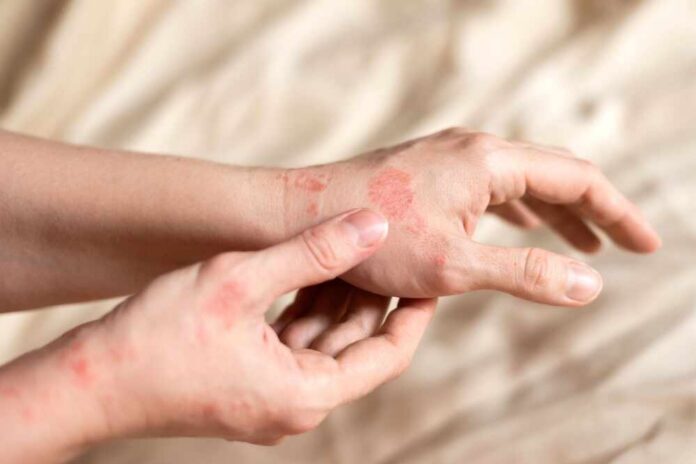
A tiny oil pressed from black currant seeds is getting big attention as a natural eczema fix, but the science tells a more complicated story than the wellness world wants you to know.
Quick Take
- Black currant seed oil contains gamma-linolenic acid, a fatty acid with real anti-inflammatory properties that may help calm eczema symptoms.
- The strongest clinical study found only a temporary reduction in eczema in infants, and the benefit faded by 24 months.
- WebMD notes there is currently no solid clinical proof that black currant seed oil reliably treats eczema in most people.
- The “best remedy” label is a marketing stretch from a narrow prevention study, not a proven treatment for active eczema.
Why This Oil Is Suddenly Everywhere
Black currant seed oil is rich in gamma-linolenic acid, or GLA, a type of omega-6 fatty acid that your body uses to fight inflammation. [4] That part is real science. Eczema, also called atopic dermatitis, is an inflammatory skin condition. So the idea that a GLA-rich oil might calm it down is biologically reasonable. That logic, combined with slick product pages and viral wellness videos, has turned this oil into a hot topic for anyone tired of prescription creams.
The problem is that “biologically reasonable” is not the same as “clinically proven.” Supplement sellers love to bridge that gap quietly. They show you the ingredient, point to the mechanism, and let you connect the dots to a cure. Black currant seed oil is a good example of how a small, real signal can get amplified into a sweeping health claim that the actual research simply does not support yet.
What the Best Study Actually Found
The most rigorous human trial on black currant seed oil and eczema looked at pregnant mothers who took the oil as a supplement. Researchers then tracked whether their newborns developed atopic dermatitis. At 12 months, the results looked promising. Only 33 percent of infants in the black currant seed oil group developed eczema, compared to 47 percent in the olive oil group. [7] That is a meaningful difference, and it was statistically significant.
But here is what the wellness content leaves out. By 24 months, that difference had vanished. [7] There was no significant gap between the two groups anymore. The benefit was temporary. The researchers themselves described it as a “transient” reduction. [5] That word matters. Transient means it did not last. A treatment that works for a year and then stops working is useful information, but it is not the same as a cure or even a reliable long-term remedy.
The Scope Creep Problem in Natural Remedies
This is a pattern worth recognizing. A small study produces a modest, time-limited result in a specific group, like high-risk newborns. Then wellness blogs and product pages reframe that result as proof that the ingredient treats the condition broadly in adults, children, and anyone with itchy skin. [1] Medical News Today reviewed the evidence and concluded that more research is needed before anyone can make strong treatment claims. [1] WebMD is even blunter, stating there is no good clinical evidence to support using black currant for eczema. [6]
That does not mean the oil is useless. Applied topically, it is well tolerated and may offer some relief for dry, irritated skin. [8] Some users report real improvement. But personal stories are not clinical trials. If you have active eczema and you are skipping proven treatments to try this oil based on a viral video, you are taking a risk with your health based on incomplete evidence.
How to Think About Black Currant Seed Oil Honestly
Black currant seed oil is not snake oil. The GLA content is real, the anti-inflammatory mechanism is plausible, and the clinical study did show a benefit, even if it was temporary and limited to prevention in newborns. [7] It is a low-risk option worth discussing with a dermatologist, especially as a complementary approach alongside proven treatments. Evening primrose oil, which works through a similar GLA pathway, has a slightly broader research base, though still limited. [9]
What black currant seed oil is not, based on current evidence, is the number one best remedy for eczema. That claim requires proof it does not yet have. Consumers deserve to know the difference between a promising natural option and a proven treatment. Right now, this oil is the former, not the latter. Anyone selling it as the definitive answer is getting ahead of the science.
Sources:
[1] YouTube – The #1 Best Remedy for Eczema
[4] Web – Miracle Ingredient Alert! Blackcurrant Seed Oil
[5] Web – The Potential of Black Currant Seed Oil for Eczema Treatment
[6] Web – Blackcurrant Seed Oil for Atopic Dermatitis in Young Children
[7] Web – Black Currant – Uses, Side Effects, and More – WebMD
[8] Web – Blackcurrant seed oil for prevention of atopic dermatitis in newborns
[9] Web – Black Currant Seed Oil – Chateau Cosmetics Botanical Beauty