
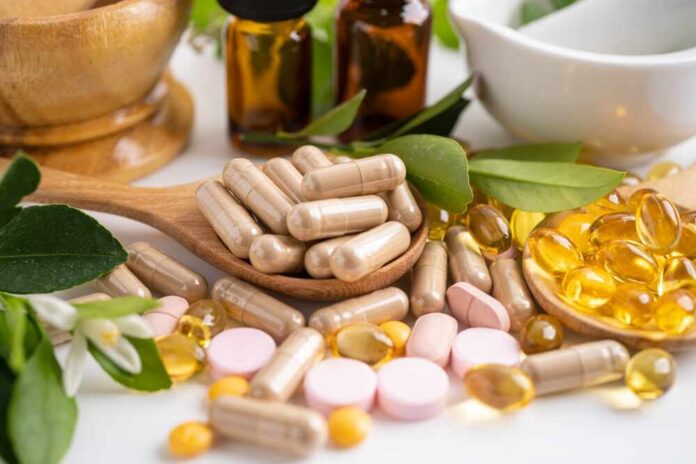
That trendy vitamin supplement promising to slow aging might actually be feeding your cancer cells and sabotaging your chemotherapy.
Story Snapshot
- Popular vitamin B3 derivatives marketed for anti-aging may protect cancer cells and increase tumor growth in pancreatic cancer patients
- Up to 81% of cancer survivors take supplements, with 68% never telling their oncologists
- Preclinical research shows supplements including NMN, NAM, and NR boost chemotherapy resistance
- Lead surgeon warns cancer patients to avoid B3 supplements entirely during treatment
The Anti-Aging Supplement Industry’s Dangerous Blind Spot
Jordan M. Winter, MD, a senior pancreatic surgeon at University Hospitals Cleveland, pulls no punches. A recent study published in Cancer Letters exposes how nicotinamide mononucleotide, nicotinamide, and nicotinamide riboside protect the very cancer cells doctors fight to destroy. These vitamin B3 derivatives flooded the wellness market after 2020, propelled by longevity influencers and rodent studies showing extended lifespans. The FDA banned NMN as a supplement in 2022, yet bottles remain widely available online and in stores, marketed for energy and heart health.
Winter’s research focused on pancreatic ductal adenocarcinoma, where five-year survival hovers around 12 percent and chemotherapy resistance remains maddeningly common. The supplements work by supporting stressed cells, a mechanism that sounds beneficial until you grasp the problem: cancer cells experience chronic stress. What helps normal tissue recover equally helps tumors thrive. Winter’s conclusion carries weight beyond academic journals. He told Oncology News Central he would not touch B3 supplements if facing cancer, extending his caution to most supplements on the market.
Decades of Evidence Ignored at Patients’ Peril
The B3 findings fit a disturbing pattern stretching back to the 1990s. The CARET trial proved beta-carotene increased lung cancer risk in smokers. The SELECT trial demonstrated vitamin E raised prostate cancer incidence by 17 percent. A 2019 breast cancer study linked iron and B12 supplementation during chemotherapy to worse survival and higher recurrence rates. Yet the supplement industry continues expanding, now exceeding 50 billion dollars annually, while cancer patients remain oblivious to these documented dangers.
Fred Hutchinson Cancer Research Center published findings in February 2026 revealing that 81 percent of cancer survivors use supplements. More alarming, 68 percent never disclose this information to their oncologists. Cornelia Ulrich, PhD, called this non-disclosure a huge problem. Patients trust wellness marketing over medical expertise, assuming natural products carry no risk. The 1994 Dietary Supplement Health and Education Act created this regulatory vacuum, allowing manufacturers to sell products without proving safety or efficacy.
Why Your Oncologist Needs to Know Everything in Your Medicine Cabinet
The mechanisms of harm vary but converge on treatment sabotage. Antioxidants like vitamins C and E theoretically neutralize the free radicals chemotherapy generates to kill cancer cells. St. John’s wort induces liver enzymes that metabolize chemotherapy drugs faster, reducing their effectiveness against tumors while maintaining toxic side effects. Fish oil, turmeric, and melatonin increase bleeding risk during surgery and treatment. High-dose folic acid raises colorectal adenoma risk with relative risk ratios reaching 2.32 in some studies.
The National Cancer Institute, American Cancer Society, and Cancer Research UK all warn against high-dose antioxidants during active treatment. Their guidance rests on consistent evidence that supplements protecting normal cells from treatment stress extend identical protection to malignant cells. This creates a perverse outcome where patients spending money on wellness products inadvertently purchase insurance policies for their tumors. The logic Winter articulates seems obvious once stated, yet millions of cancer patients remain unaware.
Conversations About The Risk Involved
Personal responsibility requires informed decision-making, impossible when patients hide supplement use and manufacturers evade accountability. The supplement industry profits from implied benefits without making explicit claims that would trigger FDA scrutiny. This mirrors broader cultural problems where feelings trump facts and anecdotes override clinical trials. Cancer patients deserve transparent information about how their choices affect outcomes, not marketing fairy tales about ancient remedies and cellular rejuvenation.
Doctors warn this popular vitamin may quietly disrupt cancer care
Many cancer patients turn to biotin supplements hoping to restore hair lost during treatment, but experts warn the popular vitamin may do more harm than good. While biotin is often marketed for stronger hair and…
— The Something Guy 🇿🇦 (@thesomethingguy) May 8, 2026
The research carries limitations worth acknowledging. Winter’s B3 study used mice and laboratory cell cultures, not human patients. No clinical trials have yet tested these supplements in cancer patients directly. Some studies suggest certain vitamins might reduce cancer risk before diagnosis, though post-diagnosis evidence consistently shows harm during treatment. The preclinical evidence proves strong enough to warrant caution, especially given pancreatic cancer’s dismal prognosis and desperate need for every treatment advantage. Oncologists must bridge the communication gap, directly asking patients about supplement use and explaining why the medicine cabinet matters as much as the prescription pad.
Sources:
Oncologists May Not Know Commonly Used Supplement Could Harm Cancer Care – Oncology News Central
Dietary Supplements Don’t Prevent Cancer – Fred Hutchinson Cancer Center
Vitamins, Diet and Supplements – Cancer Research UK
Natural Supplements to Avoid – Cancer Center
Dietary Supplements – American Cancer Society
Vitamin Supplements and Cancer Risk – PMC
Vitamins and Cancer Prevention – PMC
Antioxidants and Cancer Prevention – National Cancer Institute