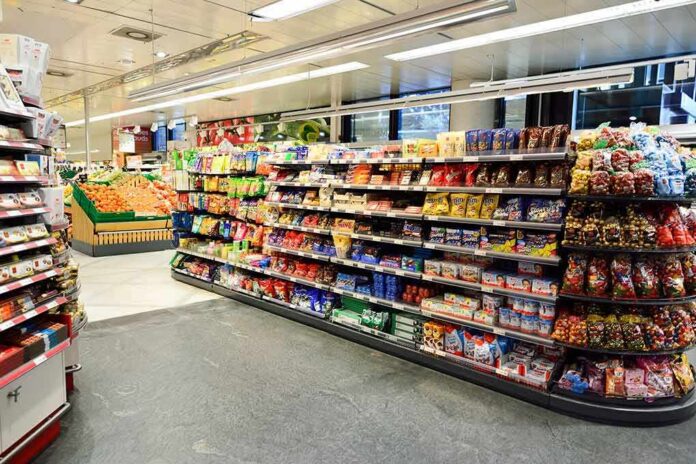
Nearly everything in the center aisles of your grocery store now falls under one blunt label: ultra-processed food, and scientists keep finding it linked to the diseases killing us most.
Quick Take
- Ultra-processed foods are industrial products made mostly from refined ingredients, additives, and chemicals, not whole food.
- A major review in the BMJ tied heavy consumption to higher risks of heart disease, cancer, obesity, and depression.
- Scientists still argue over whether the category itself causes harm or just flags diets already high in sugar, salt, and fat.
- In the United States and United Kingdom, these foods already make up more than half of what people eat daily.
What Counts As Ultra-Processed, And Why It Matters Now
The term comes from a ranking system called NOVA, which sorts food into four groups based on how much factory work it takes to make them. Group four, ultra-processed, covers soda, chicken nuggets, packaged bread, and breakfast cereal. These products use industrial methods and additives most home cooks never touch, built for shelf life and flavor rather than nutrition.
A BBC World Service episode broke this down for a global audience, asking a simple question: can anyone actually avoid these foods anymore. The answer, reported through named BBC journalists covering health and food, was blunt. For most people in wealthy countries, ultra-processed items are no longer a choice on the shelf. They are the default meal.
The Research Linking These Foods To Disease
A large umbrella review published in the BMJ pulled together dozens of studies and found consistent links between high ultra-processed food intake and worse health outcomes. Researchers connected it to heart disease, several cancers, type 2 diabetes, obesity, and depression. The review covered populations across multiple countries, giving the findings real weight rather than a single isolated study result.
Other researchers push back on how far that evidence should be stretched. A critical review found real differences inside the ultra-processed category itself. Sugary sodas showed consistent harm across studies. But fortified cereals and some dairy products showed neutral or even protective effects, despite wearing the same ultra-processed label.
Why Scientists Still Argue Over The Definition Itself
Critics of the NOVA system argue the terms processing and ultra-processing were never given clear, measurable rules. Without a hard scientific line, foods get grouped together based on how they were made, not what they actually contain. That means a vitamin-fortified cereal and a bag of candy can land in the same bucket, even though their effects on the body look nothing alike.
A cardiology group representing European heart doctors still issued a formal warning. Their consensus statement describes ultra-processed foods as cheap industrial products built from additives and altered compounds, often carrying little real nutrition. Despite the debate over definitions, major medical bodies now treat heavy reliance on these foods as a genuine risk factor worth flagging to patients directly.
What This Means For The Average Family Kitchen
A review focused on cardiometabolic health laid out why this argument matters beyond academic debate. Ultra-processed foods already dominate grocery budgets because they are cheap, convenient, and engineered to taste good. Families juggling work and school schedules reach for them by necessity, not ignorance, which is exactly why health experts say blame alone won’t fix the problem.
The honest takeaway sits between two extremes. These foods are not poison in every form, and panic over every ingredient list helps no one. But the pattern across study after study points the same direction: diets built heavily around industrial convenience foods trend toward worse health outcomes over time. Common sense says cutting back, not eliminating, is the realistic goal for most households.
The Bigger Picture Behind The Headlines
Fifteen years after NOVA was first proposed, nutrition scientists still debate whether it belongs in official dietary guidelines at all. Some researchers call it a useful warning flag for consumers. Others call it an oversimplified shortcut that ignores how foods actually affect the body chemically. That argument will likely continue for years, even as grocery carts keep filling with the same products.
What isn’t up for debate is how much these foods have already taken over daily eating habits worldwide. The BBC’s reporting captured a reality most families already sense standing in a grocery aisle. Reading ingredient labels has become less about trend and more about basic self-defense for anyone trying to eat the way earlier generations simply did without thinking twice.
Sources:
youtube.com, tw.voicetube.com, bbc.com, podcasts.hamropatro.com, bbc.co.uk