Your plate might do more for your aching back than another trip to the medicine cabinet, but it won’t replace it either.
Quick Take
- A 2025 review links anti-inflammatory eating, healthy weight, and key nutrients to lower back pain.
- Fruits, vegetables, olive oil, and omega-3-rich foods top the list of helpful choices.
- Government health guidelines say no single diet or supplement is proven to treat back pain directly.
- Experts warn that food-based pain claims often get oversimplified online, mixing different conditions together.
What The New Research Actually Found
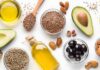
A narrative review published in 2025 looked closely at how diet connects to low back pain. It found that keeping a healthy weight matters. So does eating in a way that calms inflammation in the body. Researchers pointed to fruits, vegetables, olive oil, and omega-3 fatty acids as smart additions to a daily diet aimed at easing chronic pain symptoms over time.
Why Weight And Inflammation Take Center Stage
Extra body weight puts pressure on the spine and joints, which can worsen pain. Inflammation adds another layer, irritating nerves and tissues around the lower back. That is why researchers keep circling back to weight control and anti-inflammatory eating as two connected strategies, not separate fixes. Both work on the body’s mechanical load and its internal chemistry at the same time.
Separate clinical trials back up pieces of this picture. One study found that overweight patients with sciatica who followed a short-term low-calorie diet alongside standard pain medication saw real improvement. Another trial linked better blood sugar control in prediabetic patients to fewer reports of chronic low back pain after six months, suggesting metabolic health plays a direct role in pain levels.
The Mediterranean Diet Keeps Showing Up
Across multiple studies, diets built around plant foods, olive oil, and fish keep producing better pain and function scores than typical Western eating patterns. A systematic review of osteoarthritis trials found dietary changes, including Mediterranean-style eating, significantly reduced pain compared to no dietary change at all. People eating more plant compounds and omega-3 fats reported noticeably less pain and better joint movement.
Why This Matters For Everyday Pain Management
Back pain sends more Americans to the doctor than almost any other complaint, and most people want options beyond pills and surgery. Eating better clearly supports overall health and may ease some pain through weight control and reduced inflammation. Treating food as one tool among several, rather than a cure, fits both the science and plain common sense about how bodies actually heal.
Chronic pain patients who followed an anti-inflammatory eating plan for four months reported real improvements in stress, physical symptoms, and pain scores, according to a small pilot study tracking forty-five participants over that period. Those results are encouraging, but researchers caution the sample size was small and more studies are needed before doctors make broad promises.
Separating Smart Advice From Online Noise
Nutrition claims spread fast on social media, and back pain is a popular target because so many people suffer from it daily. Reviews of online health content found that a majority of viral diet claims fall into the “miracle cure” category, often mixing unrelated conditions like arthritis, sciatica, and general inflammation into one tidy food fix. Readers deserve the full picture: real evidence exists, but it supports modest, steady improvement, not instant relief.
The honest takeaway sits between two extremes. Food is not a miracle cure, and it is not irrelevant either. Choosing an anti-inflammatory, weight-conscious diet rich in produce, olive oil, and omega-3s gives the body a fighting chance against chronic back pain, working alongside movement, physical therapy, and medical care rather than replacing any of it.
Sources:
wellness.com, mattioli1885journals.com, pmc.ncbi.nlm.nih.gov, pubmed.ncbi.nlm.nih.gov, journals.sagepub.com, va.gov, healthquality.va.gov