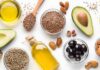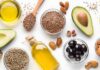
Women who ate a wider mix of foods across five major food groups had up to 59% lower odds of breast cancer than women who stuck to a narrow diet.
Quick Take
- A new study compared 600 women with newly diagnosed breast cancer to 600 women without it, scoring their diets on a 0-10 variety scale.
- Women with the most varied diets had up to 59% lower odds of breast cancer than those with the least varied diets.
- The benefit grew in steps, meaning more food variety tracked with lower odds at every level measured.
- The finding fits decades of research tying plant-heavy, low-processed diets to reduced breast cancer risk.
What The New Study Actually Found
Researchers tracked 1,200 women total, half with a fresh breast cancer diagnosis and half without one. They scored each woman’s eating habits using a dietary-diversity scale that measured how many different food groups she ate from regularly. Women who scored highest on variety, pulling from all five major groups often, had up to 59% lower odds of breast cancer than women who ate the same narrow handful of foods day after day.
The pattern did not jump straight from high risk to low risk. Women with moderate dietary variety landed in the middle, showing about 42% lower odds compared to the least varied eaters. That step-by-step drop is what researchers call a dose-dependent relationship. Each added layer of food variety appeared to buy more protection, not just a one-time benefit from crossing some arbitrary threshold.
Why Variety Matters More Than Any Single Food
Nutrition science has spent years hunting for the one magic food that fights cancer. Blueberries, broccoli, soy, green tea. The truth looks messier and, frankly, more useful for real life. A large systematic review from the United States Department of Agriculture found moderate evidence that diets rich in vegetables, fruits, and whole grains, and lower in animal-source foods and refined carbs, lower postmenopausal breast cancer risk.
Other large reviews back this up with harder numbers. One analysis combining 15 cohort studies and 34 case-control studies found fruit and vegetable intake each tied to roughly a 29% lower breast cancer risk. A separate review of food groups found that higher intake of vegetables, fruit, cheese, and soy products, paired with lower red and processed meat intake, matched up with reduced risk, though the authors were careful to note correlation is not proof of cause.
The Honest Limits Every Reader Deserves To Know
None of these studies prove that eating more food types directly stops cancer cells from forming. They show patterns across large groups of women, which is valuable but different from a lab proving cause and effect. The American Cancer Society notes some studies find diet influences breast cancer risk while others do not, which is exactly why doctors talk about lowering odds, not guarantees.
How This Fits Decades Of Dietary Pattern Research
This is not a one-off headline. A Nurses’ Health Study of over 182,000 women found higher fruit and vegetable consumption tied to an 11% lower risk of invasive breast cancer, with cruciferous vegetables like broccoli standing out. Mediterranean-style eating, built on vegetables, fruit, fish, and soy, has shown similar inverse links in other systematic reviews stretching back more than a decade.
The common thread across all this research is simple enough for anyone to use without a nutrition degree. Eat from more food groups, lean toward plants, and cut back on red meat and processed foods. No supplement or superfood replaces that pattern. For women weighing real, practical changes against a disease that touches one in eight, a more varied plate is a reasonable, low-cost place to start.
Sources:
mindbodygreen.com, pmc.ncbi.nlm.nih.gov, nesr.usda.gov, frontiersin.org