
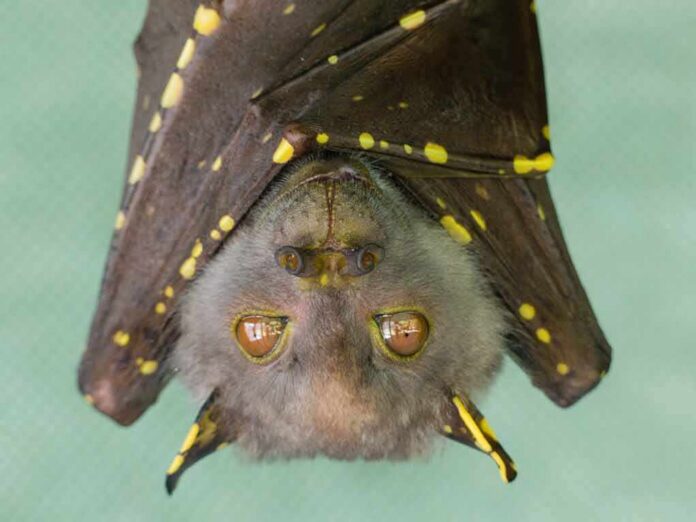
Bats carry some of the deadliest viruses on Earth, including rabies, Ebola relatives, and coronaviruses, yet they rarely get sick from them, and scientists now say they may know why.
Quick Take
- Researchers found bats in the vesper family carry two separate copies of the gene system that builds antibodies, a trait no other mammal has.
- The finding, published in the journal Science Advances, centers on a species called the big brown bat.
- Scientists confirmed the second gene set is fully functional, not just leftover DNA.
- The discovery adds to decades of research showing bats’ immune systems evolved unusual defenses against viruses.
A Second Antibody Toolkit Nobody Expected
Every mammal studied before this, humans included, carries a single copy of the immunoglobulin heavy-chain locus. That’s the stretch of DNA that codes for the building blocks of antibodies. Researchers scanning the genomes of 26 bat species found something new. Vesper bats, the largest bat family on the planet, have two complete copies sitting on separate chromosomes.
Antibodies are the immune system’s targeting system. They latch onto viruses and bacteria and flag them for destruction. Having one gene set to build them is normal for every mammal on record. Having two, on separate chromosomes, had never been documented in any mammal before this study came out.
Proving The Backup System Actually Works
Finding a duplicated gene region is one thing. Proving it does something is another. The research team focused on the big brown bat, a common vesper species found across North America. They studied individual cells to see whether both gene copies were actually being used to build working antibodies, not just sitting there unused.
The results showed both loci are genetically distinct and functionally active. That means the bats aren’t just carrying spare DNA. They’re running two separate antibody-building systems at the same time. Scientists say this kind of full gene-locus duplication in mammals has never been confirmed before, making the vesper bat genome a genuine outlier.
Why This Fits A Bigger Pattern In Bat Biology
This isn’t the first time bats have surprised researchers with a genetic workaround. Scientists have already documented bats duplicating other immune genes, including ones tied to fighting viruses directly, like the APOBEC3 family and interferon-related genes. Bats also show unusual patterns in genes that control natural killer cells and antiviral defenses, patterns tied to how much viral diversity a species tends to carry.
Older studies going back over a decade already hinted that fruit bats use unusually flexible antibody-building strategies, mixing and matching gene segments in ways that boost diversity. The new heavy-chain discovery adds another piece to that picture, but researchers are careful to frame it as one mechanism among several, not a single silver-bullet explanation for how bats dodge illness.
What This Means For Understanding Disease Spillover
Bats have been linked to outbreaks of rabies, Ebola-related viruses, and coronaviruses for years, largely because they can host these pathogens without collapsing from illness themselves. Understanding the genetic machinery behind that tolerance matters far beyond bat biology. It offers clues for researchers studying how immune systems can be tuned to fight infection without triggering the runaway inflammation that makes many viral diseases deadly in humans.
Separate genome work on bats has also connected these kinds of immune adaptations to longer lifespans and lower cancer rates in some species, suggesting the same evolutionary pressures that shaped viral tolerance may have shaped how bats age. That’s a reminder that studying an animal most people find unsettling keeps paying off for human medicine, one duplicated gene locus at a time.
Sources:
sciencedaily.com, phys.org, thehindu.com, pmc.ncbi.nlm.nih.gov, biorxiv.org, english.pravda.ru, academic.oup.com, pubmed.ncbi.nlm.nih.gov, science.org