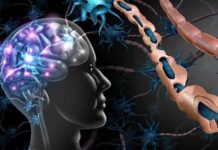
A cheap, dusty vitamin bottle on a drugstore shelf may be quietly rewriting part of the story of one of the deadliest brain cancers we know.
Story Snapshot
- High-dose vitamin B3 (niacin) is being tested as an add-on treatment for aggressive brain cancer glioblastoma.
- Early human trial data show stronger immune activity and better short-term disease control than past studies.[1]
- Mouse studies saw survival jump from about 40 days to 150 days when niacin was added to standard chemo.[1]
- Researchers are excited, but they stress this is early-stage science, not a cure-in-a-bottle.[5]
How a grocery-store vitamin crashed one of cancer’s deadliest parties
Glioblastoma is a brain cancer so ruthless that most patients are told to think in months, not years. Standard treatment throws everything at it: brain surgery if possible, radiation, and a chemotherapy pill called temozolomide. Yet the tumor often finds a way back. That grim reality is why a group in Calgary started asking a question most big cancer centers rarely ask: what if a simple vitamin could help the immune system fight back?[3]
The team did not pick niacin on a hunch. In the lab, they screened more than a thousand different compounds to see which ones could wake up key immune cells that glioblastoma tumors usually shut down.[1] Niacin, also known as vitamin B3, rose to the top. When they treated mouse brain tumors with niacin plus temozolomide, the animals’ median survival leapt from about 40 days to around 150 days, a threefold jump.[1] That kind of gain in a brain cancer model got serious attention.
What niacin appears to do inside the tumor battlefield
The villain in glioblastoma is not just the tumor itself, but the way it “brainwashes” the immune system. Immune cells that should be hunting cancer instead become sleepy helpers and bodyguards for the tumor. The Calgary group found that niacin can “re-educate” these myeloid cells so they stop feeding the cancer and start attacking it.[8] In mouse models, niacin increased helpful macrophages in the tumor, shrank tumor size, and boosted survival, especially when paired with standard chemo.[8]
That immune reboot theme carried over when they moved from mice into people. In their Phase I dose-escalation trial, niacin given with standard surgery, radiation, and temozolomide increased circulating memory T cells and natural killer cells in patients’ blood while reducing a subset of monocytes tied to inflammation and poor outcomes.[5] Those are the very cell types you want on offense against cancer. Blood markers of immune activation, like the cytokine interleukin-12p70, also went up with niacin treatment.[5]
Early human results: promising, but still on the runway
Encouraging lab results often die the moment they reach real patients, so the clinical data here matters. In the Calgary Phase I–II study of newly diagnosed glioblastoma patients, niacin was added to the usual chemo-radiation package.[3] The first job was safety and dose. The second was a simple question: six months after starting treatment, how many people were still free of cancer progression on scans?
Past studies with standard therapy alone typically saw about 54 percent of similar patients progression-free at six months.[3] In the interim report from this niacin trial, 82 percent of the first 24 patients had no progression at six months, a 28 percent absolute bump versus earlier benchmarks.[3][6] That is the sort of signal that makes researchers lean forward. But it is also a small, single-center group, without a randomized control arm, and the scientists are blunt that they cannot yet claim people are living longer overall.[6]
Risks, limits, and why your multivitamin is not a cancer drug
High-dose niacin is not the same as the modest amount in a daily multivitamin. The trial uses controlled-release niacin at doses high enough to need close medical monitoring.[3] At those levels, niacin can cause intense flushing, liver stress, and other side effects. Doctors in mainstream outlets have warned that high doses “can be toxic and may cause harm if not carefully monitored.”[9] That means this is not a do-it-yourself vitamin hack; it is a medical treatment being pushed to a pharmacologic level.
The study design also has real limits. Researchers describe their Phase I work as “Class IV evidence,” which is the weakest level, because it is open-label and has no control group.[5] Everyone knew they were getting niacin plus standard care, so there is no blinding. The Phase II arm so far is still at a single Canadian center. There is no long-term survival data beyond the early six-month checkpoint. In plain words, the numbers look better than expected, but we do not yet know if these patients will beat the brutal long-term odds of glioblastoma.
Why this vitamin story hits a nerve in today’s medical culture
This niacin work fits a pattern that should make thinking adults pause. For decades, vitamin and nutrient-based therapies that show real biological effects in cancer models have faced heavy skepticism, mostly because they lack large, expensive Phase III trials. Funding naturally flows to patented drugs that can promise a return, not to old generic vitamins with thin profit margins. Critics then point to the lack of big trials as proof these ideas are fringe.
A clinical trial is exploring whether high doses of vitamin B3 could give patients with glioblastoma a better chance against the aggressive brain cancer. Scientists found that niacin may help revive immune cells that tumors shut down, allowing them to attahttps://t.co/GeViiMsSpH
— Michael W. Deem (@Michael_W_Deem) June 22, 2026
At the same time, honest science demands discipline. Early wins in mice and small human trials do not justify shouting “cure” from the rooftops. Researchers on this project have actually been more cautious than some of the media coverage. They talk about “rearming” the immune system and “promising” early results, but they clearly state that overall survival benefit is not yet proven.[6] The sober path forward is simple: complete the planned Phase II, then push for a rigorous Phase III trial comparing niacin plus standard care against standard care alone.[7][17]
Sources:
[1] Web – A common vitamin could help fight one of the deadliest brain cancers
[3] Web – UCalgary study investigates the use of common vitamin to treat the …
[5] Web – Niacin CRT for Glioblastoma · Info for Participants – Clinical Trials
[6] Web – Niacin Modulates Immune Responses in a Phase I Dose-Escalation …
[7] YouTube – Brain cancer research promising
[8] Web – a potentially promising advancement for glioblastoma. Research is …
[9] Web – UCalgary researchers are investigating the effectiveness of high …
[17] Web – Role of vitamins A, C, D, E in cancer prevention and therapy – PMC