
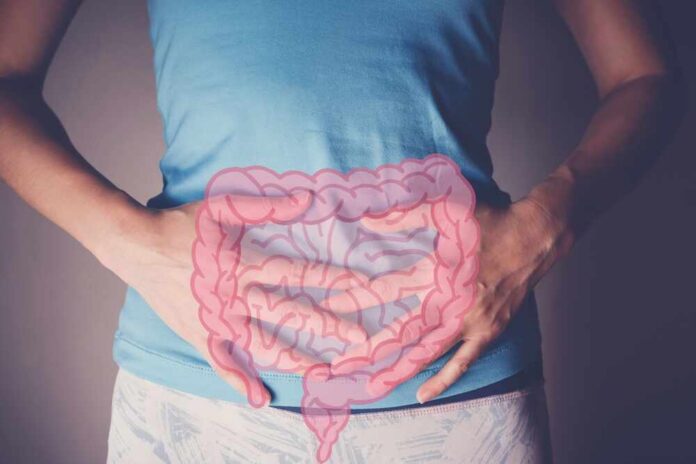
Your gut runs on a clock, and the moment you leave home, you throw that clock out the window — which is exactly why vacation constipation hits almost everyone, and almost no one talks about it.
Quick Take
- Travel constipation is real and well-documented — your gut follows a circadian rhythm that routine disruption throws off completely
- Dehydration, low fiber, reduced movement, and broken sleep schedules are the four main triggers you can actually control
- Simple fixes like a morning walk, more water, and fiber-rich snacks can get things moving again without medication
- If lifestyle changes fail, short-term stool softeners or laxatives are a reasonable next step — but check with your doctor first
Your Gut Has a Schedule — And Travel Wrecks It
Your digestive system does not just respond to what you eat. It responds to when you eat, when you sleep, and when you move. Research suggests the gut runs on a circadian rhythm, meaning it expects the same inputs at roughly the same times each day. [7] When you travel, nearly every one of those inputs shifts at once. Different time zones, later meals, less sleep, and hours of sitting on a plane or in a car all hit your gut simultaneously. The result is a system that simply slows down.
Dr. Trisha Pasricha, a gastroenterologist at Harvard Medical School, has been vocal about normalizing this conversation. She points out that one in three people avoid telling their doctor about bowel symptoms out of embarrassment. That silence makes the problem worse because it keeps people from learning the fixes are actually straightforward. [9] The stigma is the real obstacle here, not the condition itself.
The Four Triggers That Shut Your Gut Down on Vacation
Dehydration is the first and most immediate problem. Airplane cabins have very low humidity. You sweat more in warm destinations. You drink less water and more alcohol or coffee. Your colon pulls water from whatever is moving through it, and when your body is low on fluids, stools get hard and slow. [3] Drinking more water will not always cure constipation on its own, but it does soften stools and makes everything easier to pass.
Diet changes hit next. Most vacation food is low in fiber and high in fat. Processed meats, cheese, fried food, and sugary snacks are classic travel staples — and classic constipation triggers. [2] The recommended daily fiber intake is 25 to 30 grams, a target most people miss even at home. On vacation, that number often drops even lower. Packing fiber-rich snacks like nuts, dried fruit, or whole grain crackers before you leave is one of the simplest things you can do.
Reduced movement is the third trigger. Long flights, car rides, and lazy beach days all cut your daily activity down sharply. Physical activity stimulates the muscles in your intestines. Even 20 minutes of walking a day keeps that stimulation going. [2] Dr. Pasricha specifically recommends a short walk every single morning of your vacation as one of the most effective habits you can build. [9] It costs nothing and takes almost no time.
Broken sleep and meal timing round out the list. Your gut expects food and rest at consistent times. Eating dinner at midnight instead of 7 p.m., or sleeping until noon, confuses the system. [2] Keeping your meals and sleep schedule as close to your normal routine as possible — even while traveling — gives your gut the timing signals it needs to stay regular. [5]
When Lifestyle Changes Are Not Enough
Sometimes you do everything right and your gut still does not cooperate. That is normal, and it does not mean you are stuck. Probiotics help some people by supporting healthy gut bacteria. [2] Stool softeners taken a few days before a trip can head off constipation before it starts. [4] If you are already backed up, a short-term laxative is a reasonable option — the Cleveland Clinic says do not be afraid to use one if diet and exercise have not helped. [3] Harvard Health lists several options, from bulk-forming laxatives to stimulant types, depending on how severe the problem is. [6] Always check with your doctor before using any of these regularly.
One more thing worth knowing: holding it in makes everything worse. When you feel the urge to go and ignore it — because you are in a crowded airport, sharing a hotel room, or just not comfortable — your colon reabsorbs water from the stool and it gets harder. [3] Dr. Pasricha’s broader point is that the body sends a signal and you need to answer it. Embarrassment is not worth the pain. Vacation constipation is common, it is fixable, and the sooner people talk about it openly, the sooner they can actually enjoy their trips.
Sources:
[2] Web – Four Ways to Prevent Constipation During Summer Travel
[3] Web – Travel Constipation: Treatments and Home Remedies to Try
[4] Web – Why You Get Constipated While Traveling – Cleveland Clinic
[5] Web – Slideshow: Easing Constipation on Vacation – WebMD
[6] Web – Travel constipation causes, prevention and relief – Allina Health
[7] Web – 8 ways to get constipation relief – Harvard Health
[9] YouTube – Why travel makes you so constipated