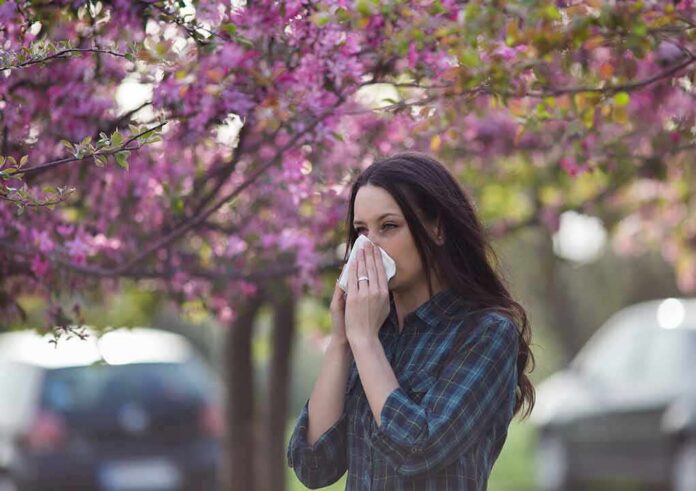
That itchy, sneezy feeling hanging on longer than it used to isn’t just in your head. Ragweed season is stretching deeper into fall across much of the country.
Quick Take
- Ragweed, not fallen leaves, is the main driver of fall allergy misery, and its pollen can stick around until the first hard frost.
- Warmer autumns and heavier rainfall are letting ragweed plants grow bigger and pump out pollen longer, according to immunologist Dr. Tonya Elliott.
- Ragweed pollen is so light it can travel hundreds of miles, meaning you don’t have to live near a single plant to suffer.
- Doctors say allergies that drag on for months, without fever, are a different animal than the flu or COVID-19.
- Raking leaves can stir up mold spores, adding a second punch to an already rough season.
Why Ragweed Is The Real Culprit Behind Fall Suffering
Most people blame crunchy leaves for their fall sniffles, but the bigger problem is ragweed. Dr. Tonya Elliott, an immunologist and CBS News medical contributor, says this single plant is behind the bulk of autumn allergy complaints. The American Academy of Allergy, Asthma, and Immunology agrees, naming ragweed the chief culprit of fall allergy season nationwide.
What makes ragweed especially brutal is timing. In many regions, it now pollinates from early August clear through October, giving sufferers almost three full months of exposure before any relief arrives. That’s a long stretch to be stuck sneezing, especially for anyone who thought their suffering ended when summer did.
Warmer Autumns Are Stretching The Season Longer
The explanation isn’t just a longer calendar window, it’s also warmer weather itself. The Centers for Disease Control and Prevention points to shifts in rainfall, frost timing, temperature, and rising carbon dioxide as factors that change when pollen season starts, ends, and how intense it gets. Ragweed thrives in these conditions, growing faster and churning out more pollen as temperatures climb.
Independent pollen research backs this up. A study published in the Proceedings of the National Academy of Sciences found ragweed seasons lengthened by as much as 13 to 27 days at northern sites since 1995, tied mainly to later first frosts. That’s not a one-city anomaly, it’s a measurable pattern across central North America, and it lines up with what allergy sufferers have been noticing for years.
Pollen Travels Farther Than Most People Realize
Here’s the part that catches people off guard: you don’t need a ragweed plant in your backyard to feel its effects. The pollen grains are so buoyant that they can ride wind currents for hundreds of miles, according to Cleveland Clinic allergy guidance. Someone living in a city with zero ragweed nearby can still get hammered if the wind carries pollen in from miles away.
That buoyancy is also why pollen counts can feel unpredictable from one day to the next. Rain can temporarily wash pollen out of the air, but it can also fuel plant growth that produces even more pollen once things dry out. Hot, dry, windy days tend to scatter pollen the farthest, which explains why some afternoons feel unbearable while others offer brief relief.
Telling Allergies Apart From A Cold Or Flu
With cold and flu season overlapping fall allergies, knowing the difference matters. Dr. Elliott explains that allergy symptoms tend to drag on for weeks or months and fluctuate with pollen levels, while infections like the flu or COVID-19 usually run their course in about seven to ten days. Fever and swollen lymph nodes point toward infection, not allergies. If your symptoms come and go with the weather instead of steadily improving, ragweed is the more likely explanation.
Simple Steps That Can Cut Down Your Symptoms
Mold adds a second layer of misery that often gets overlooked. Raking leaves kicks up mold spores hiding in damp, decaying piles, which can aggravate allergy symptoms just as much as pollen does. Cleveland Clinic notes that wet weather combined with rotting plant matter creates ideal conditions for mold to flourish through the fall months.
Simple precautions can make a real difference for anyone dealing with either trigger. Wearing a mask while doing yard work, showering after time outdoors, and keeping windows shut on high-pollen days all help reduce exposure. Running an air purifier near entry points and washing bedding regularly can also cut down on what pollen makes it into your home in the first place.
The bigger picture here is one of adaptation, not panic. Pollen seasons are shifting, and the science backs that up, but the fixes are the same common-sense habits allergy sufferers have leaned on for decades. Knowing ragweed is the real enemy, not just fallen leaves, gives people a clearer target for managing a season that keeps arriving earlier and overstaying its welcome.
Sources:
youtube.com, aaaai.org, cdc.gov, health.clevelandclinic.org, acaai.org