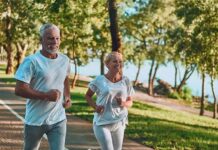
Peanut butter, that humble pantry staple, just proved it can supercharge muscle power in seniors, potentially staving off the frailty that steals independence after 65.
Story Snapshot
- Deakin University RCT shows 43g daily peanut butter improves sit-to-stand speed and lower-body power in fall-risk adults aged 66-89.
- No weight gain despite added protein and fat, with 86% adherence over 6 months.
- Boosts daily functions like stair climbing and chair rising, countering sarcopenia.
- First direct RCT on peanut butter for functional outcomes in community-dwelling seniors.
- Peer-reviewed in Journal of Cachexia, Sarcopenia and Muscle, highlighted in March 3, 2026 press release.
COINS Trial Design and Participants
Deakin University’s Institute for Physical Activity and Nutrition conducted the COINS trial from 2022 to 2025. Researchers recruited 120 community-dwelling adults aged 66-89 at risk for falls. Participants randomized to consume 43g natural peanut butter daily or usual care for 6 months. Trial registered as ACTRN12622001291774. High adherence reached 86%, confirming feasibility in real-world settings.
Key Results on Muscle Power and Function
Peanut butter group improved five-times sit-to-stand (5STS) time by 1.23 seconds (p=0.006), signaling better lower-body muscle power. This aids essential tasks like rising from chairs and climbing stairs. No changes occurred in gait speed, handgrip strength, or body composition. Protein intake rose without weight gain, thanks to peanuts’ fat oxidation and thermogenesis properties.
Mechanisms Behind Peanut Butter’s Benefits
Peanuts deliver 7g protein per serving, rich in leucine for muscle repair. Unsaturated fats (MUFAs, PUFAs) and antioxidants combat oxidative stress linked to sarcopenia. Prior studies support this: 2021 Auburn trial paired peanut powder with training for muscle growth; 2023 Nutrients study showed reduced fatigue. COINS uniquely tests peanut butter directly on function.
Stakeholders and Expert Insights
Dr. Sze-Yen Tan led the trial, filling RCT gaps on nuts for seniors. The Peanut Institute amplified findings via March 3, 2026 press release. Dr. Samara Sterling emphasized peanuts’ role across life stages. Academic rigor from peer-reviewed publication balances industry promotion. Dr. Tan noted power gains enable safer mobility, reducing fall risks.
Implications for Aging Populations
Seniors gain an accessible intervention against sarcopenia and falls, preserving community living. Short-term, it encourages dietary tweaks for power. Long-term, it may shape guidelines favoring plant proteins. Larger trials needed for gait and biomarkers. Economic boost to peanut sector promotes self-reliance through everyday nutrition.
Sources:
Peanut Institute PRNewswire press release
Peanut Institute Time Munches coverage