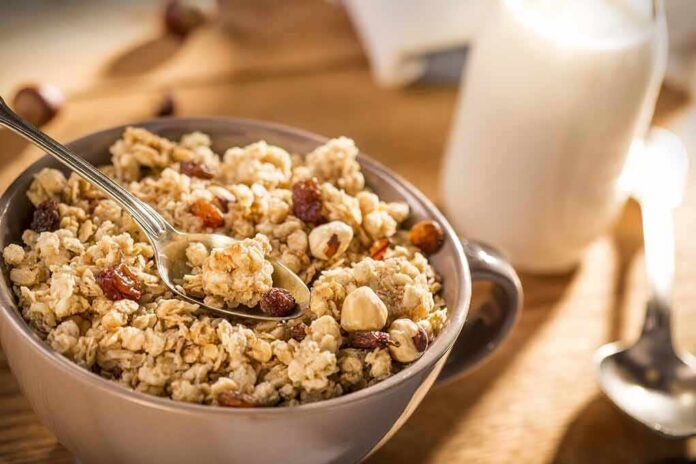
A bowl of cereal and a protein bar look harmless, but new heart research says some of these everyday “healthy” picks may be quietly working against you.
Quick Take
- A major heart journal study found every extra daily serving of ultra-processed food raised hard cardiovascular disease risk by 7% and heart disease risk by 9%
- Foods marketed as healthy, including protein bars, cereals, and industrial breads, fell into the ultra-processed category studied
- A viral “65% higher heart risk” claim does not match the actual numbers published by the American College of Cardiology
- Saturated fat, found in butter and coconut oil, remains a separate but related driver of LDL cholesterol and heart disease
- Statins remain the best-proven medical tool for lowering heart risk, backed by decades of randomized trial data
What The Research Actually Found
The American College of Cardiology highlighted a study published in the Journal of the American College of Cardiology that tracked how ultra-processed foods affect the heart over time. The findings were blunt. Ultra-processed foods are everywhere, and many carry a health halo. Protein bars, breakfast cereals, and most store-bought breads all qualify, even though shoppers often grab them thinking they are doing their body a favor.
Each extra daily serving of these foods was linked to a 7% rise in hard cardiovascular disease risk and a 9% rise in hard coronary heart disease risk. Overall cardiovascular disease risk climbed 5%, and the risk of dying from cardiovascular disease rose 9% for every added serving. That is a real, measurable dose-response pattern, not a vague correlation. It means the more processed food on your plate, the higher the math climbs against you.
Here is the catch worth knowing. The specific “65% higher heart risk” number now circulating online does not appear in this American College of Cardiology summary. The documented increases run from 5% to 9% per daily serving, a meaningful but far smaller figure. Readers should treat the bigger number with caution until a clear, citable source spells out exactly what it measures and over what time frame.
Nutrition scientists have pushed similar warnings in public interviews, describing how processed foods and added sugar create chemical byproducts that fuel chronic inflammation. Inflammation is already a known contributor to heart disease, so a diet heavy in processed snacks does not just add empty calories. It may actively stoke the kind of low-grade internal damage that builds toward a heart attack over years, not overnight.
Why Saturated Fat Still Matters Separately
Tufts University nutrition scientist Alice Lichtenstein has long pointed to a related but distinct culprit: saturated fat. Butter, beef tallow, coconut oil, and full-fat dairy all raise LDL cholesterol, the artery-clogging kind, which drives up cardiovascular disease risk. This is not the same claim as the ultra-processed food research, but the two overlap often, since many processed snack foods are also loaded with saturated fat and added sugar at the same time.
Lichtenstein also clarifies a common myth. Dietary cholesterol from eggs does not directly spike blood cholesterol the way older advice suggested. Saturated fat intake is the bigger lever. Federal health guidance backs this up, noting that swapping saturated fat for unsaturated fat lowers heart disease risk by roughly the same margin as cholesterol-lowering drugs, according to the National Institutes of Health.
Where Medication Still Fits The Picture
Diet changes matter, but they are not the only proven lever against heart disease. Statin drugs have decades of randomized trial evidence behind them. One meta-analysis found statin therapy cut major coronary events by 27%, stroke by 18%, and all-cause death by 15%. The United States Preventive Services Task Force recommends statins for some adults ages 40 to 75 who carry high cardiovascular risk, based on this same body of trial evidence.
That contrast matters for how readers should weigh these headlines. Statin evidence comes from randomized trials, the gold standard for proving cause and effect. The ultra-processed food evidence comes mostly from large observational studies, which show strong patterns but cannot prove the food alone caused the harm. Both bodies of evidence point the same direction: processed food, added sugar, and saturated fat all raise risk, while proven medication and real dietary swaps lower it.
What This Means For Your Grocery Cart
The practical takeaway is simple, even if the science is layered. Do not trust a label just because it says “protein,” “whole grain,” or “heart smart.” Check what the food is actually made of, and favor whole, minimally processed options over packaged convenience foods whenever you can. Pair that with honest conversations with your doctor about cholesterol numbers and whether medication makes sense for your personal risk profile.
Sources:
mindbodygreen.com, bmj.com, pmc.ncbi.nlm.nih.gov, jamanetwork.com, acc.org