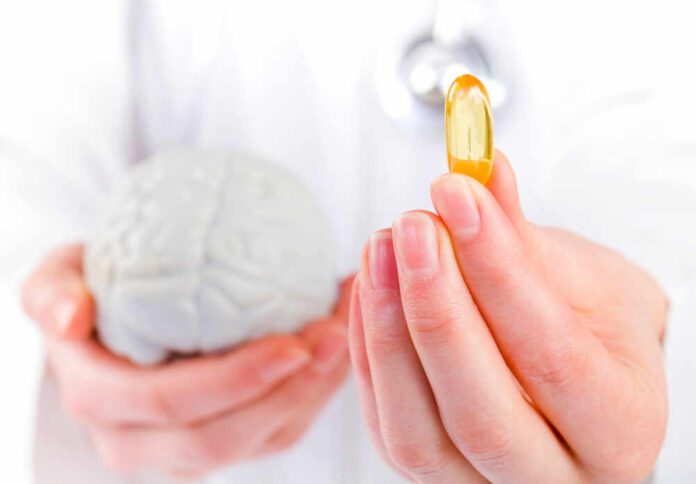
Americans spend over $3 billion a year on brain supplements, and the most prestigious medical institutions in the country say nearly all of it is wasted money.
Quick Take
- Harvard, Mayo Clinic, AARP, and Stanford all say no supplement has been proven to improve brain health or prevent memory loss.
- A federal court ruled in 2024 that Prevagen, one of the best-selling brain supplements, made false advertising claims not backed by science.
- Creatine is the one exception worth watching — multiple peer-reviewed studies show real benefits for memory and attention, especially in older adults.
- Supplements are not approved or tested by the Food and Drug Administration (FDA) before they hit store shelves, so what is on the label may not match what is in the bottle.
The Wall of Expert Opinion Against Brain Supplements
The case against brain supplements is not a fringe view. It is the official position of nearly every major health institution in America. AARP’s Global Council on Brain Health reviewed the evidence in June 2019 and said it could not endorse any ingredient, product, or supplement designed for brain health. Stanford Professor of Medicine Frank Longo put it plainly: there are no supplements proven to have any effect on preventing dementia. That is a hard statement, and the facts behind it are hard to argue with.
Mayo Clinic’s Dr. Ronald Petersen, who directs the Alzheimer’s Disease Research Center, says most people do not need extra nutrients at all. Diet, he says, is the best way to get what your brain needs. Harvard’s Dr. Pieter Cohen agrees. He says there is no solid proof that any ingredient in brain supplements actually works. When Harvard, Mayo, AARP, and Stanford all land on the same answer, that answer deserves serious weight.
The Prevagen Case Shows How Bad the Problem Gets
Prevagen is one of the most heavily advertised brain supplements in America. Its makers claimed it improved memory and brain function. A federal court ruled in 2024 that those claims were false advertising, with no real scientific evidence to back them up. The Federal Trade Commission (FTC) won that case, and the ruling sends a clear message: marketing muscle is not the same as proof. Consumers who bought Prevagen based on its TV ads were sold a story, not a solution.
Ginkgo biloba has a similar track record. A large study of more than 3,000 people found ginkgo was no better than a placebo at preventing dementia in older adults. The Cleveland Clinic notes that research in this area is still in its early stages, and the data is not strong enough to recommend brain supplements broadly. That is a fair and honest read of where the science stands right now.
One Supplement That Actually Has Evidence Behind It
Creatine monohydrate is not marketed as a brain pill. It is sold mostly as a workout supplement. But the research on its cognitive effects is real and growing. A systematic review published on PubMed found creatine improved memory and cut attention time, with the strongest results in women and adults aged 18 to 60. A separate study in Nature found that a single dose of creatine improved word memory and reaction speed, and even helped protect against the cognitive fog caused by sleep deprivation.
Food and health news. 6/20.26 Science News from research organizations Millions take omega-3 fish oil for brain health but a new study found no benefit
A large clinical trial found that omega-3 fish oil supplements failed to improve memory. https://t.co/n1scWP8ZGI pic.twitter.com/j7US8pyv7A— Paul Backovich (@bakpageeeeqg) June 30, 2026
Older adults may benefit most. A systematic review in Nutrition Reviews found that five out of six studies — 83 percent — reported a positive link between creatine and better memory and attention in aging adults. Vegetarians showed even stronger results, likely because they get little creatine from food. Creatine also has 25 years of safety data behind it, with no harmful effects found in healthy adults. This is not a miracle pill. But it is the most evidence-backed cognitive supplement currently available, and it deserves a different conversation than ginkgo or Prevagen.
Why the Supplement Aisle Is Still Mostly a Gamble
The FDA does not approve supplements before they go on sale. Manufacturers do not need to prove their products work before putting them on store shelves. They only need to avoid making direct disease claims and include a disclaimer that the FDA has not evaluated the product. That is a low bar. Mayo Clinic Primary Care says no large clinical trials or high-quality evidence support any brain supplement product on the market today. Until those large trials exist, buying most brain supplements is a bet made on marketing, not medicine.
The honest answer for adults over 40 who want to protect their brain is not a pill. It is the same advice doctors have given for decades: eat well, exercise, sleep enough, and stay socially connected. Those habits have actual evidence behind them. If you still want to try a supplement, creatine monohydrate is the one with the most credible science. But go in with clear eyes. The bottle will promise more than the research can currently deliver.
Sources:
mindbodygreen.com, aarp.org, health.harvard.edu, webmd.com, newsnetwork.mayoclinic.org, longevity-project.com, health.clevelandclinic.org, washingtonpost.com, pubmed.ncbi.nlm.nih.gov, nature.com, pmc.ncbi.nlm.nih.gov, alz-journals.onlinelibrary.wiley.com