A tiny sensor on the back of the arm just blew up some of the loudest “blood sugar hacks” on the internet—and confirmed a couple that are worth your time.
Story Snapshot
- Continuous glucose monitors turn vague “energy crashes” into hard numbers that expose which hacks actually blunt blood sugar spikes.
- Post-meal walking and real exercise show the clearest, repeatable impact on glucose—far more than trendy drinks or powders.[4][7]
- Food order and pairing carbs with protein, fat, and fiber help, but not enough to justify miracle claims.[4][7]
- Single-person CGM experiments are useful for self-tuning, but they are not proof of universal rules or internet “immunity to carbs.”[4][1]
Why blood sugar “hacks” exploded — and what a CGM really shows
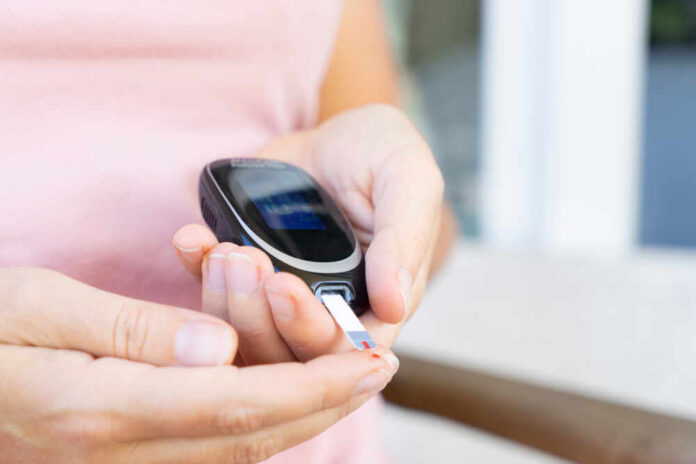
Wellness creators have turned continuous glucose monitors into the new home lie detector for diet claims: strap on a sensor, eat something outrageous, then show the spike or the flat line on screen.[4][6] The device itself is solid technology, measuring glucose in the fluid under your skin every few minutes and streaming it to your phone.[2][4] That stream of dots turns your normal day—meals, stress, sleep, Netflix—into a movie of spikes and drops that is hard to unsee once you have it.
Doctors who work with these devices emphasize a simple idea: they are trend tools, not magic judgment machines.[3][2] You look at how your numbers behave over days and weeks and connect them to what you ate and how you moved, not to whatever supplement TikTok is selling this week.[3][1] Consumer biohacking culture flipped that script. Now many videos start with a conclusion—“this hack makes you immune to carbs”—and then hunt for a single clean screenshot to prove it.[4]
Inside the self-experiment: five popular hacks on the clock
One YouTube creator tried nine different blood sugar hacks with a continuous monitor to see which ones actually flattened the curve and which ones were internet theater.[4] Another spent forty-eight hours eating fast food and layering on vinegar, fiber, and exercise tricks while logging every rise and crash.[5] Both framed their testing as real-time experiments: match the same high-carb meals with and without a hack, then watch what the lines do. That is messy science, but it is compelling television and surprisingly instructive for ordinary viewers.
The pattern that emerged should make any fifty-dollar “glucose support” supplement very nervous. Gentle movement after eating, real workouts, and basic meal structure showed the most consistent, visible effects on the monitor.[4][5] Vinegar shots, psyllium husk, and other quick fixes did something sometimes, but not reliably enough to justify the bold claims stamped on many wellness thumbnails.[5] When the numbers did move, the creator often admitted he could not be sure whether it was the hack or just the body doing what it would have done anyway.[5]
The clear winners: walking, exercise, and how you build the plate
The simplest winner was the most old-fashioned: walking after meals.[4][1] Even mainstream diabetes clinics now tell patients that ten to fifteen minutes of walking after eating can noticeably blunt post-meal spikes, and CGM traces back them up.[1][6] One Levels user reported that even a slow twenty-minute walk after dinner dramatically reduced the height of the glucose hill compared with sitting on the couch.[4] For middle-aged readers who do not want another prescription, this is the low-tech, high-yield move hiding in plain sight.
CGM (Continuous Glucose Monitors) aren't just for diabetics anymore. How $75/month glucose tracking revealed that my 'healthy' oatmeal breakfast was spiking my blood sugar to pre-diabetic levels. T… #deals #dealhuntnowhttps://t.co/Synby31Tn4
— Deal Hunt Now (@deal_hunt_now) May 28, 2026
Structured exercise hit even harder. In multiple self-tracking stories, forty minutes of full-body training or a serious bike ride sent glucose from clearly elevated back into a comfortable range.[4][5] That lines up with basic physiology: working muscles pull sugar out of the bloodstream without asking insulin for permission.
Food order, “veggie starters,” and the limits of clever tricks
Some of the more subtle hacks did leave fingerprints on the CGM charts, but not enough to justify treating them as get-out-of-jail-free cards. Eating vegetables first, then protein and fat, and leaving starches for last produced smaller spikes than diving straight into bread or dessert.[4][7] A French biochemist popularized this idea as “veggie starters,” and her data, plus independent CGM users, show a consistent though modest effect.[7][1] Fiber seems to slow down how fast carbohydrates hit the bloodstream.
Putting protein, fat, and fiber on the same plate as your carbs worked in a similar direction.[1][4] A bowl of white rice alone sent glucose up higher than the same rice eaten with meat and healthy fat.[4][1] Again, this matches long-standing nutrition advice: mixed meals digest more slowly than pure sugar. Where online content jumps the rails is when these marginal improvements are sold as “eat anything you want as long as you do this one trick.” The traces themselves show improvement, not magic.
Where the hacks fall apart: n=1, noise, and wishful thinking
All of this lives inside a giant caveat: these videos are self-experiments on one person at a time, not controlled trials.[4][1] There is no blinding, no randomization, and no replication, which means you cannot say with confidence that a dip from 159 to 101 after an hour came from vinegar or from ordinary insulin doing its job.[5] Health writers who cover continuous monitors stress that they show patterns influenced by many factors—sleep, stress, hormones, previous meals—not just today’s “hack.”[4][2]
Stretching one person’s seventy-two hours of data into a universal rule for millions is the same shortcut that has plagued diet fads for decades. The best use of a monitor is the boring one: log what you actually eat, move your body after meals, swap refined carbs for balanced plates, and review your trends every couple of weeks, preferably with a professional who is not also selling you a supplement.[3][6]
Sources:
[1] Web – I Tried 5 Blood Sugar Hacks — Here’s What Worked According To My CGM
[2] YouTube – Part 1: How to Hack Your Blood Sugar Using a Continuous Glucose …
[3] Web – A Practical Overview Of The Top CGM Devices – Brentwood MD
[4] Web – How to Hack The Glucose Game – Jones Road Beauty
[5] Web – How to Check Blood Sugar Without a Meter: Is It Possible? – Healthline
[6] YouTube – I Tested 9 Blood Sugar Hacks That Make You Immune to Carbs
[7] Web – Hack Your Metabolism With A Continuous Glucose Monitor