
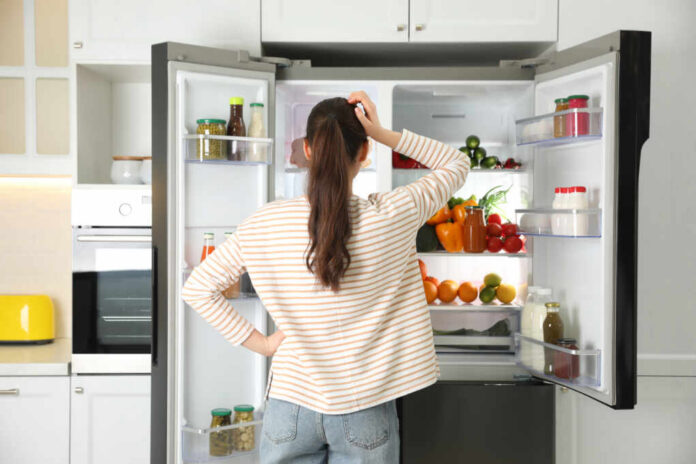
The difference between “we’ll just grab something” and a solid dinner often comes down to four humble refrigerator items that quietly kill decision fatigue.
Quick Take
- A dietitian’s fridge strategy leans on versatile, high-protein staples that turn into meals fast.
- Greek yogurt works as breakfast, sauce, dip base, and even a marinade component without feeling like “diet food.”
- Refrigerated dough and biscuits function like an emergency carb that can become a meal, not just a side.
- Dips and spreads add flavor and healthy fats instantly, making plain foods feel finished.
- Juice plays a surprisingly practical role in smoothies, dressings, and marinades when used deliberately.
The Real Problem Isn’t Cooking: It’s Choosing
Home eating doesn’t collapse because people forget how to cook. It collapses at 5:30 p.m. when everyone is hungry and the brain refuses another decision. The Easy Home Meals dietitian approach is a “fridge-first” system: stock a few items that can pivot into multiple meals, with protein as the anchor. That’s a practical strategy for adults balancing time, budgets, and health without turning dinner into a moral project.
The most useful detail is what’s missing: no complicated batch-cooking schedule, no exotic powders, no guilt. Just a short list that makes the next meal easier than takeout. That matters for anyone 40+ managing appetite changes, shifting metabolism, and the reality that “I’ll cook something healthy” competes with work, caregiving, and plain old fatigue.
Greek Yogurt: The Protein “Multiplier” That Doesn’t Taste Like a Plan
Greek yogurt earns its keep because it behaves like several foods at once. It can be sweet (fruit, cinnamon, a drizzle of honey) or savory (garlic, lemon, herbs). That flexibility turns it into smoothie protein, a quick snack, a creamy dressing, or a topping that replaces heavier sauces. The conservative, practical win here is waste reduction: one tub can serve multiple roles, so it gets used instead of dying in the back of the fridge.
People get hung up on labels, but the guiding principle is simple: pick a higher-protein option you’ll actually eat. If plain tastes like punishment, choose a version that fits your preferences and budget. Consistency beats perfection. A protein-forward base also helps older adults feel satisfied longer, which reduces the expensive “grazing” pattern that turns into chips, cookies, and another unplanned grocery run.
Refrigerated Dough and Biscuits: The Fastest Legitimate “Meal Platform”
Refrigerated dough sounds like a treat-food category, but used wisely it’s a tool. The point isn’t to live on biscuits; it’s to keep a quick starch on hand that can carry protein and vegetables when time is tight. A breakfast sandwich on a biscuit, a quick flatbread situation, or a “clean-out-the-fridge” bake can turn random leftovers into something that feels intentional and filling.
This is where common sense beats food snobbery. Adults don’t quit healthy eating because they don’t know vegetables are good. They quit because meals feel like work. A reliable dough option lowers the barrier to making something at home. Pair it with eggs, deli turkey, leftover chicken, or a dip as sauce. That’s not “perfect,” but it’s materially better than a drive-thru habit.
Dips and Spreads: The Shortcut to Flavor, Healthy Fats, and Compliance
Dips and spreads—hummus, guacamole, plant-based spreads, even certain cheeses—solve the “this is too bland” problem. They add instant flavor, some fat for satiety, and a sense of completion. The dietitian’s point is versatility: spreads become sandwich glue, snack companion, bowl topper, or a quick sauce.
They also help with the hardest part of home eating: making “healthy” food craveable. A bag of baby carrots becomes snackable with dip. Leftover chicken becomes a wrap with a spread and greens. The key is to read labels like an adult and keep portion reality in mind. A dip is a tool, not a free-for-all, and the fridge staple only works if it doesn’t quietly double your daily calories.
Juice: The Quiet Workhorse for Smoothies, Dressings, and Marinades
Juice surprises people because it’s often filed under “sugar.” The dietitian’s use is more tactical: small amounts can fix flavor fast and support quick nutrition. Orange juice can brighten a smoothie, thin a dressing, or build a simple marinade when paired with acid, salt, and spices. That’s an old-school kitchen truth: a little sweetness and acid make plain foods taste finished, which keeps you from ordering something pricier and worse.
Juice isn’t a free pass to drink calories all day, especially for anyone watching blood sugar or weight. The smarter play is treating juice like an ingredient, not a beverage default. Used that way, it stretches the value of the other staples: yogurt becomes a smoothie, a spread becomes a dressing, and a quick protein becomes a marinated, better-tasting dinner.
The Hidden Fifth Item: A System That Respects Real Life
The original “five foods” framing may be messy, but the underlying concept is solid: the real staple is a repeatable system. Stock items that combine into protein + fiber + satisfying flavor with minimal steps. Keep the list short, shop it consistently, and you’ll feel the effect most when you least want to think.
The fridge-staple strategy works because it builds a bridge between intentions and behavior. Greek yogurt, dough, spreads, and juice don’t pretend to be a culinary identity; they’re tools. Adults who win at weeknight meals aren’t more virtuous. They’re better stocked. Make the fridge do the hard part, and the next “What’s for dinner?” question stops sounding like a threat.
Sources:
4 Things This Dietitian Keeps in Her Fridge for Quick, Balanced Meals
Healthy Foods to Keep in Fridge
22 Healthy Foods to Stock in Your Fridge
Dietitian Pantry Staples for a Healthy Kitchen
A Dietitian’s Grocery List: Staples for a Healthy Kitchen
A Dietitian’s Guide to Stocking Your Pantry and Refrigerator
10 Foods to Always Keep in Your Fridge
Ep 42: What food will a dietitian always have in their pantry?