
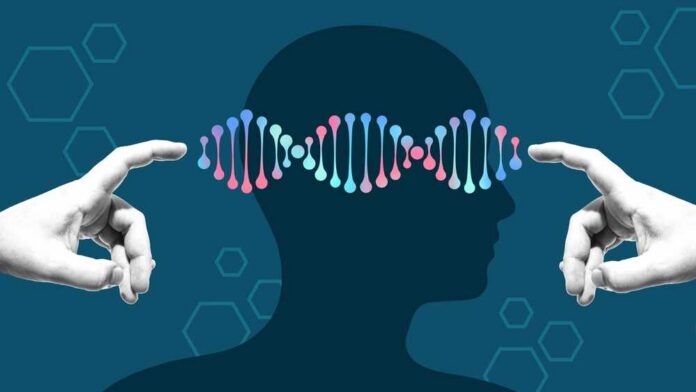
Aging men lose their Y chromosome cell by cell, slashing lifespan by over five years and fueling heart attacks, cancers, and dementia—but existing drugs might reverse the damage.
Story Highlights
- 40% of men over 60 have Y chromosome loss in some cells, jumping to 57% by age 90.
- CRISPR mouse studies prove Y loss directly causes cardiovascular disease and fibrosis.
- Men with mosaic Y loss die 5.5 years earlier on average, challenging old views of harmless aging.
- Fibrosis drugs already on market show therapeutic promise against Y loss effects.
- Paradigm shift reveals Y loss as key driver of male-specific age-related diseases.
Y Chromosome Vulnerability Drives Mosaic Loss
The Y chromosome, smallest in humans with just 51 protein-coding genes, proves fragile during cell division. Cells accidentally drop it, creating mosaic loss of Y chromosome (mLOY) where some retain it while others do not. Y-deficient cells grow faster in labs, gaining tissue advantage over decades. By age 60, 40% of men show mLOY; by 90, 57% do. This silent accumulation once seemed benign.
From Dismissed Anomaly to Disease Driver
New genetic tools exposed mLOY’s true scale in large studies like UK Biobank analyses. Links emerged to heart failure, Alzheimer’s, cancers, and shorter lives. Kenneth Walsh at University of Virginia used CRISPR on mice to delete Y chromosomes. Results showed direct causation: Y loss sparked immune overreactions causing body-wide fibrosis, or tissue scarring. Heart function plummeted; lifespans shortened dramatically.
CRISPR Proof Shifts Scientific Consensus
Walsh’s team found Y-lacking cells triggered innate immune responses mimicking chronic injury. Fibrosis scarred hearts, lungs, kidneys. Mice mirrored human patterns: higher Y loss meant worse outcomes. Walsh noted this acquired mutation reveals aging secrets and opens doors to personalized drugs. Targeting fibrosis with proven meds beats waiting for new ones, prioritizing practical solutions over endless trials.
Prevalence hits 40% in men over 70. Cardiovascular risks surge: more heart attacks, failures. Alzheimer’s patients show elevated Y loss. Cancers worsen with it. Overall, mLOY cuts mean lifespan by 5.5 years. Families face heavier caregiving loads from accelerated decline.
Therapeutic Hope in Existing Fibrosis Drugs
Fibrosis-targeting pharmaceuticals, already approved, counter Y loss damage in models. Pharma eyes repurposing for aging men. Risk stratification could flag high-mLOY patients for monitoring. Genetic tests might gauge biological age. Gerontology rewrites male aging narratives around this mechanism.
Healthcare systems must integrate Y loss checks into male patient protocols. Prevention trumps treatment, aligning with conservative values of personal responsibility—men over 60 should demand Y status in checkups. Uncertainties linger: human trials needed, individual variability high. Still, facts demand action now.
Sources:
Men Lose Their Y Chromosomes As They Age—Here’s Why It Matters
Loss of Male Sex Chromosome with Age Leads to Earlier Death for Men
PMC Peer-Reviewed Literature on Y Chromosome Loss
Y Chromosome Loss Impact on Men – InsideHook
Men Are Losing Their Y Chromosome – and It May Be Deadly – SciTechDaily