Regular aerobic exercise made midlife brains appear nearly one year younger on MRI scans after just one year, challenging the myth that brain aging is inevitable.
Story Highlights
- AdventHealth trial: 130 adults aged 26-58 exercised 150 minutes weekly, reducing brain-predicted age by 0.6 years versus 0.35-year increase in controls.
- Nearly one-year difference between groups proves modest exercise yields measurable brain rejuvenation.
- Midlife emerges as prime window for intervention, aligning with CDC and WHO guidelines.
- Potential mechanisms include liver proteins repairing the blood-brain barrier, per UCSF findings.
- Experts stress cumulative benefits over decades for dementia prevention.
Study Design and Participant Profile
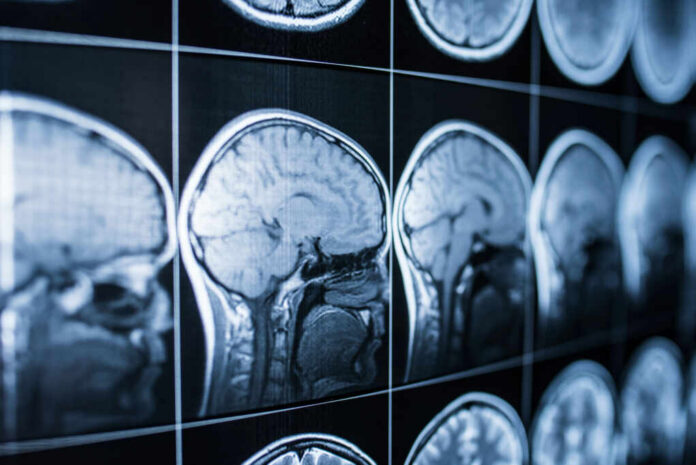
AdventHealth Research Institute randomized 130 healthy adults aged 26-58 into exercise and control groups. The exercise group completed two supervised 60-minute sessions weekly in a lab plus home-based activity, totaling 150 minutes of moderate-to-vigorous aerobic exercise. Controls maintained usual sedentary habits. Researchers measured brain-predicted age difference (brain-PAD) via MRI and cardiorespiratory fitness at baseline and after 12 months. This design isolated exercise’s impact on brain structure.
Key Findings on Brain Age Reversal
Exercise group brains appeared 0.6 years younger after one year, while control brains aged 0.35 years. The between-group gap reached nearly one year, confirming aerobic activity slows biological brain aging. Improved peak oxygen uptake correlated with brain-PAD gains. These objective MRI metrics surpass subjective cognitive tests, providing hard evidence for lifestyle intervention. Midlife timing proves crucial before decline accelerates.
Dr. Lu Wan, lead author, noted modest absolute changes but emphasized lifelong compounding: a one-year shift multiplies over decades. Dr. Kirk Erickson, senior author, linked each brain age year to later health risks, affirming midlife nudges delay dementia. Neurologist Dr. Jeremy Liff confirmed consistent exercisers showed brains closer to chronological age.
Mechanisms Behind Exercise’s Brain Benefits
UCSF scientists identified exercise triggers liver release of a protein repairing the leaky blood-brain barrier in aging brains. This blocks harmful compounds, boosting memory in Alzheimer’s models. Boston University data showed midlife high activity cuts dementia risk by 45%. These align with decades of epidemiology tying fitness to cognition.
Brain-PAD, an MRI biomarker, quantifies aging beyond chronological years. Higher values predict poor function and mortality.
Limitations and Real-World Application
Participants represented healthy, educated volunteers, limiting generalizability to diverse groups. Authors call for larger, longer trials to link brain-PAD shifts to dementia reduction. Despite modesty, findings reinforce CDC guidelines: 150 weekly minutes preventively protects brains. Workplace programs and insurers should prioritize this low-cost strategy.
Sources:
Men’s Health: Brain Aging Exercise Study
Prevention Magazine: Consistent Exercise Brain Age Study
ScienceAlert: Exercise Makes Brain Younger
UCSF News: Exercise Protects Brain Mechanism
News-Medical: Improving Biological Age Gap
Boston University: Mid-Life Exercise Dementia Risk