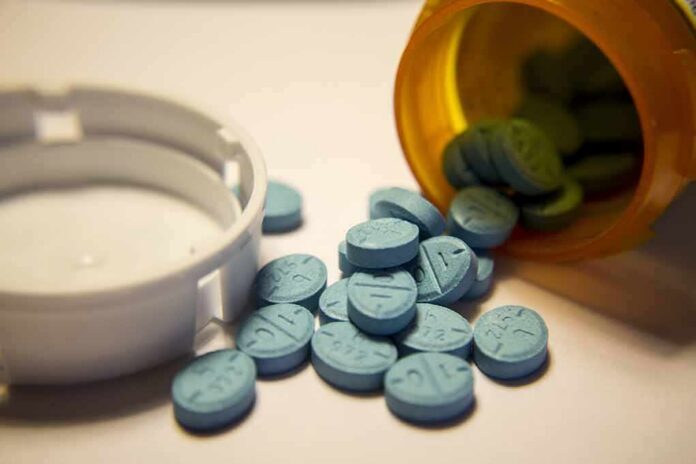
One pill taken by a healthy young adult with no history of Adderall use pushed blood pressure up 10 points in a controlled Mayo Clinic trial.
Quick Take
- A new randomized Mayo Clinic Proceedings trial gave healthy, Adderall-naive adults a single 25 mg dose and tracked their hearts closely.
- Systolic blood pressure jumped from 116 to 126 mmHg, and heart rate rose 10 beats per minute after the real drug but not placebo.
- Stress hormone norepinephrine climbed too, showing the body’s fight-or-flight system switched on.
- Researchers picked 25 mg because it matches the dose young adults commonly misuse recreationally.
- The study measured acute physical stress on the heart, not heart attacks or deaths, so the findings describe a mechanism, not a body count.
What Researchers Actually Found In The Lab
Doctors at Mayo Clinic ran a tightly controlled experiment. They gave healthy volunteers, none of whom had ADHD or had ever taken Adderall, either a real 25 mg pill or a fake one on different days. Nobody knew which was which. This design, called a randomized crossover trial, let scientists compare each person against themselves.
The results were clear and consistent. Blood pressure rose. Heart rate rose. A stress hormone called norepinephrine, which floods the body during danger or exertion, rose too. None of that happened when volunteers took the placebo. The study ran from 2018 through 2021 and the full results published this past March.
Why This Dose Matters For Real-World Users
Researchers did not pick 25 mg at random. The study’s own protocol says that’s the dose “commonly misused by young adults,” meaning this experiment was built to answer a question real families are already asking. College students, young professionals, and even teenagers sometimes take Adderall without a prescription to pull all-nighters, lose weight, or chase a mental edge.
Senior author Dr. Anna Svatikova put the finding plainly. She said even people with zero prior exposure saw their blood pressure, heart rate, and stress hormones spike after one dose. That matters because recreational users often assume a pill borrowed from a friend carries no real risk if they’ve “never had a problem before.”
The FDA Has Already Flagged These Dangers
This isn’t the first warning about Adderall and the heart. The drug’s official FDA label already lists cardiovascular effects tied to abuse and misuse, including irregular heart rhythms and dangerous swings in blood pressure. What the new trial adds is hard numbers from a controlled experiment, showing exactly how fast and how far those changes happen after just one unauthorized dose.
This study doesn’t claim Adderall is dangerous when a doctor prescribes it and monitors a patient properly. It targets something different: people grabbing stimulants outside medical supervision, often without knowing their own heart health or family history. That distinction matters, and the researchers were careful to draw it.
What The Study Does Not Prove
Thirty people signed up, and 29 completed both test days, a small group by scientific standards. That’s enough to prove the body reacts strongly to one dose, but not enough to say how often that reaction turns into a heart attack, a stroke, or worse. The study measured blood pressure and hormones, not hospital visits or deaths.
Real recreational use rarely matches a clean laboratory dose. People mix stimulants with energy drinks, alcohol, or nicotine, take repeated doses, or buy counterfeit pills of unknown strength. None of that was tested here, which means the actual danger for many users could run higher than what this trial captured.
The Bottom Line For Families And Young Adults
A single recreational dose of Adderall measurably stresses a healthy heart, full stop. That’s now backed by a real randomized trial, not just a warning label nobody reads. Whether that stress turns catastrophic depends on factors this study couldn’t test, like hidden heart conditions, mixing substances, or repeated misuse over months and years. Parents, coaches, and employers now have solid data to back up a message that used to sound like a scare tactic: borrowing a stimulant pill isn’t harmless just because nothing bad happened the first time.
Sources:
youtube.com, mayoclinic.elsevierpure.com, powershealth.org, newsnetwork.mayoclinic.org, accessdata.fda.gov