Most women over 40 chasing better moods, sharper thinking, and steadier energy have no idea that four specific nutrients may be the missing piece — but the science behind them is more nuanced than any wellness blog will tell you.
At a Glance
- A published cross-sectional study found lower intake of vitamin D, vitamin B6, and magnesium was significantly associated with elevated depressive symptoms in adults.
- Research suggests combining vitamin D and omega-3s produces greater improvements in mood, stress, and sleep than either nutrient alone.
- The benefits appear strongest for people who are already deficient — not necessarily for the general population across the board.
- The evidence is real but uneven; understanding which nutrients matter most for your situation requires more than reading a supplement label.
The Four Nutrients Showing Up in Mood Research
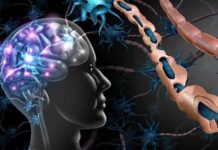
Omega-3 fatty acids, vitamin D, magnesium, and B vitamins keep appearing in mood and mental health research for one consistent reason: they are all directly involved in how the brain produces and regulates neurotransmitters. Omega-3s, particularly the forms known as EPA and DHA found in fish oil, support brain cell membrane function and reduce neurological inflammation. Vitamin D influences the neurotransmitter pathways that regulate emotional stability. Magnesium modulates the stress response. B vitamins, especially B6, are co-factors in serotonin and dopamine synthesis. These are not fringe ideas — the Mayo Clinic identifies all four as nutritionally relevant to mental health. [5]
The question is not whether these nutrients matter to the brain. They clearly do. The real question is whether taking more of them will reliably improve your mood — and the honest answer is: it depends heavily on where you are starting from.
What the Strongest Available Study Actually Found
A peer-reviewed cross-sectional analysis published in a National Institutes of Health-indexed journal examined the relationship between dietary and supplemental intake of vitamin D, vitamin B6, and magnesium and depressive symptoms in adults. The findings were striking in their consistency. Lower intake of all three nutrients was associated with elevated depressive symptoms. After age adjustment, participants with higher vitamin B6 intake showed roughly half the odds of elevated depressive symptoms compared to those with lower intake. Magnesium showed an even stronger association, with higher intake linked to less than half the odds of elevated symptoms. Vitamin D followed a similar pattern. [4]
Those are meaningful numbers. But the study design matters enormously here. Cross-sectional research captures a snapshot in time. It cannot prove that low nutrient intake caused the depression, only that the two things appeared together. People who are depressed often eat poorly, exercise less, and spend less time outdoors — all of which independently reduce these nutrient levels. The association could run in either direction. [4] That limitation does not erase the finding, but it does mean treating it as proof of a cure would be a mistake.
Where Omega-3s and Vitamin D Earn Their Reputation
Research summarized by nutrition scientists found that supplementing with both vitamin D and omega-3s together produced greater improvements in anxiety, stress, and sleep quality than either nutrient alone or a placebo. [1] A separate line of research found that magnesium combined with vitamin B6 produced rapid and significant stress reductions, with participants receiving the combination showing a 24% greater improvement in severe stress scores than those receiving magnesium alone. [1] These are not trivial effects. A 24% difference in a validated stress measure is something a person would likely feel. The catch is that neither of these summarized findings comes packaged with the full trial methodology needed to assess how solid the results truly are.
The Deficiency Problem Nobody Talks About Honestly
A systematic review and meta-analysis of B vitamin supplementation published in peer-reviewed research found that benefits were most consistent in populations described as nutritionally at risk or already experiencing elevated stress and mood symptoms. [8] That pattern repeats across the micronutrient literature. The people most likely to feel a real difference from omega-3s, vitamin D, magnesium, or B vitamins are those who are genuinely low in them — not people who are already nutritionally replete. Women over 40 are disproportionately likely to be running low on vitamin D due to reduced sun exposure and absorption changes, and on magnesium due to dietary patterns and stress. That demographic reality makes the research more relevant to this group than to the general adult population.
The practical implication is straightforward: before spending money on a supplement stack, knowing your actual baseline levels matters. A simple blood panel for vitamin D and B12 costs very little and tells you whether you are correcting a real deficiency or adding nutrients your body does not need. Omega-3 status can also be measured. Starting with that data puts you in a fundamentally stronger position than starting with a shopping cart.
Reading the Evidence Without Getting Played
Much of the content promoting these nutrients online comes from health blogs, brand-affiliated wellness sites, and investor relations pages — sources with a financial interest in your enthusiasm. [2][3] That does not make the underlying claims wrong. The nutrients are real, the biology is real, and peer-reviewed research supports plausible mechanisms and associations. [4][5] But the promotional framing tends to flatten the nuance: deficiency correction becomes universal mood enhancement, and association becomes causation. These nutrients support brain health, deficiency makes things worse, and correction can make things meaningfully better for people who need it. That is a solid case. It just is not the same as a cure.
Sources:
[1] Web – Could Your Mood Benefit from Improving Your Nutrient Levels?
[2] Web – The Best Nutrients for Boosting Mental Health
[3] Web – Three Supplements to Support Mental Health
[4] Web – Dietary intake with supplementation of vitamin D, vitamin B6, and …
[5] Web – Vitamins and Supplements for Mental Health – Mayo Clinic Store
[8] Web – A Systematic Review and Meta-Analysis of B Vitamin … – PMC